
Choosing the best accounting software in Bangladesh can feel confusing especially when every vendor claims their system is perfect for SMEs trading companies factories and service businesses. But the truth is simple the right accounting software is the one that matches your workflow supports Bangladesh VAT and tax needs fits your budget and helps your team work faster with fewer errors.
In this guide, you’ll learn exactly how to choose the best accounting software in Bangladesh for your business step by step. Whether you’re a small startup in Dhaka a growing eCommerce brand, a construction company a restaurant or a manufacturing unit this article will help you make a confident decision without wasting money on features you’ll never use.
Why the Right Accounting Software Matters in Bangladesh
Many businesses still rely on Excel handwritten ledgers or disconnected tools for sales inventory payroll and reporting. That works until it doesn’t.
Here’s what usually happens.
- Transactions grow and manual records start breaking.
- VAT, tax, and compliance become stressful.
- Owners can’t see profit cash flow and receivables clearly.
- Stock numbers don’t match reality.
- Audits take days not hours.
A proper accounting management system helps you:
- Track income and expenses in real time
- Generate profit & loss balance sheet and cash flow statements
- Monitor due invoices and collections
- Maintain VAT ready sales and purchase records
- Reduce errors and increase financial control
Define Your Business Type and Accounting Needs
Before comparing software define what you actually need. In Bangladesh accounting needs can vary widely depending on the business model.
Common business categories in Bangladesh
- Retail & wholesale (multi branch shops distributors)
- Trading/import export
- Manufacturing (raw materials production costing)
- Service businesses (agencies IT companies consultants)
- Construction/contracting
- Restaurants & food businesses
- eCommerce & Facebook commerce
- NGOs and education institutions
Ask yourself these questions
- Do you need inventory and stock valuation?
- Do you sell on credit and need accounts receivable tracking?
- Do you need purchase management and supplier dues?
- Do you require multi branch control?
- Do you want payroll integrated with accounting?
- Do you need project-based accounting (construction IT services)?
- Do you need VAT & tax support for Bangladesh compliance?
Decide Between Cloud Accounting vs Offline Accounting Software
This is one of the biggest choices: cloud-based accounting software or offline/on premise accounting software.
Cloud accounting software (online)
Best for: businesses with multiple branches remote teams or owners who want to monitor from anywhere.
Pros
- Access from anywhere (Dhaka, Chattogram, abroad)
- Automatic backups
- Easier updates and maintenance
- Works well for multi user teams
Cons
- Depends on stable internet
- Monthly/annual subscription cost
Offline/on-premise accounting software
Best for: businesses that prefer local control and have limited internet access.
Pros
- Runs without internet
- One-time license (often)
- Full control on local server/PC
Cons
- Backup responsibility is yours
- Updates can be manual
- Remote access is harder
Practical advice for Bangladesh:
If your business has more than one location or you want real-time monitoring cloud accounting software in Bangladesh is usually the smarter long term option.
Check for Bangladesh VAT, Tax & Compliance Support
Bangladesh compliance is not optional. Your accounting software should help you stay organized for.
- VAT calculations and VAT friendly invoices
- Purchase and sales registers
- Withholding tax (where applicable)
- Audit ready reporting
- Year end closing and financial statements
Even if your business is not VAT registered today, you may be in the future. Choosing a system that can scale into compliance saves you from migrating later.
Look for features like.
- Customizable invoice templates with tax fields
- VAT reports (sales, purchases)
- Ledger, trial balance, and audit trails
- User activity log (who edited what and when)
Prioritize Core Features That Actually Matter
A good accounting software isn’t the one with “100+ modules.” It’s the one that nails the fundamentals and fits your daily operations.
Essential features for most Bangladeshi businesses
- General Ledger (GL) – the backbone of accounting
- Accounts Receivable (AR) – customer invoices collections due tracking
- Accounts Payable (AP) – supplier bills payments due dates
- Bank & Cash Management – cashbook bankbook reconciliation
- Financial Reports – P&L Balance Sheet Cash Flow Trial Balance
- Invoice & Billing – sales invoices quotations delivery notes
- Multi user access – roles and permissions
- Audit trail – critical for control and transparency
If you run trading/retail
Add:
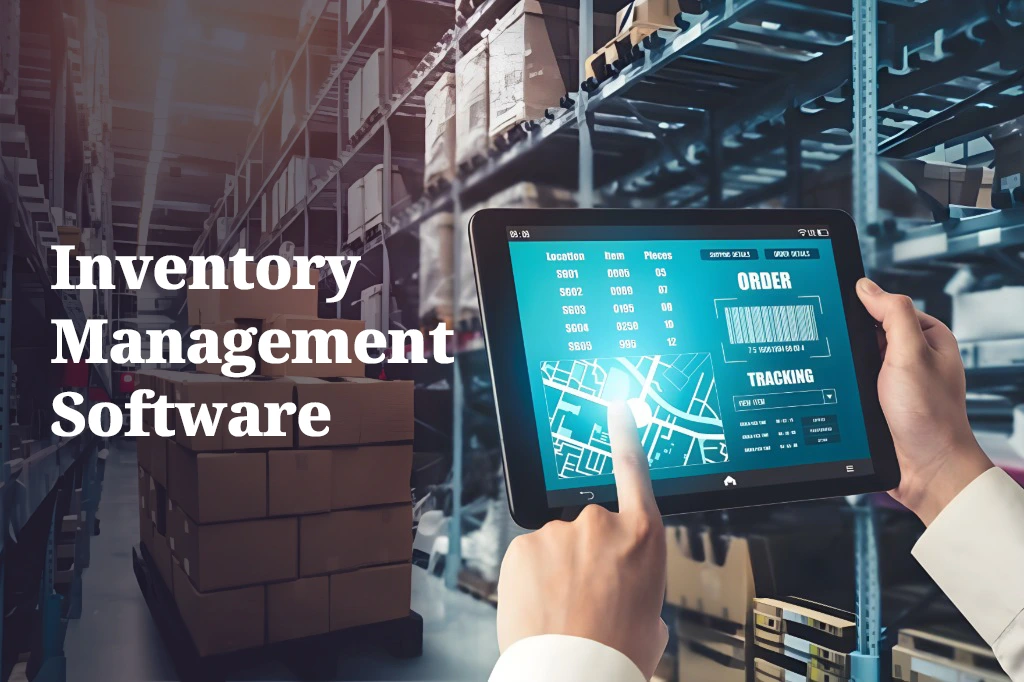
- Inventory management
- Stock alerts (low stock)
- Purchase orders and GRN (goods received)
- Barcode support (optional)
If you run manufacturing
Add:
- Bill of Materials (BOM)
- Production planning
- Raw material consumption
- Finished goods costing
If you run service projects
Add:
- Project costing
- Milestone billing
- Timesheets (optional)
Evaluate Ease of Use (Because Your Team Will Use It Daily)
Many business owners buy powerful software but the team avoids it because it’s complicated.
When checking usability consider:
- Can a non technical staff member learn it quickly?
- Is the dashboard clear?
- Are common tasks (invoice, voucher, payment entry) fast?
- Is it mobile friendly?
- Is Bangla input supported if needed?
Always ask for a demo with your real workflow.
- Create an invoice
- Record a payment
- Enter a purchase
- Check a due report
- Generate profit & loss
If those steps feel hard, the software will be a daily headache.
Compare Pricing the Smart Way (Not Just “Cheap vs Expensive”)
When people search “accounting software price in Bangladesh” they often compare only the number. But real cost includes implementation training support and upgrades.
Common pricing models in Bangladesh
- Monthly subscription (cloud SaaS)
- Annual subscription
- One time license (offline/on-premise)
- Add ons for modules (inventory, payroll, multi-branch)
Hidden costs to watch
- Setup/implementation fees
- Training charges
- Extra user fees
- Data migration costs
- Custom report or customization cost
- Support renewal fees
Best approach.
Ask vendors for a clear breakdown.
- Total cost for Year 1
- Renewal cost from Year 2
- What’s included in support
- Number of users allowed
Make Sure It Integrates With Your Business Ecosystem
Accounting doesn’t live alone. Your software becomes far more valuable if it connects with the tools you already use.
Useful integrations
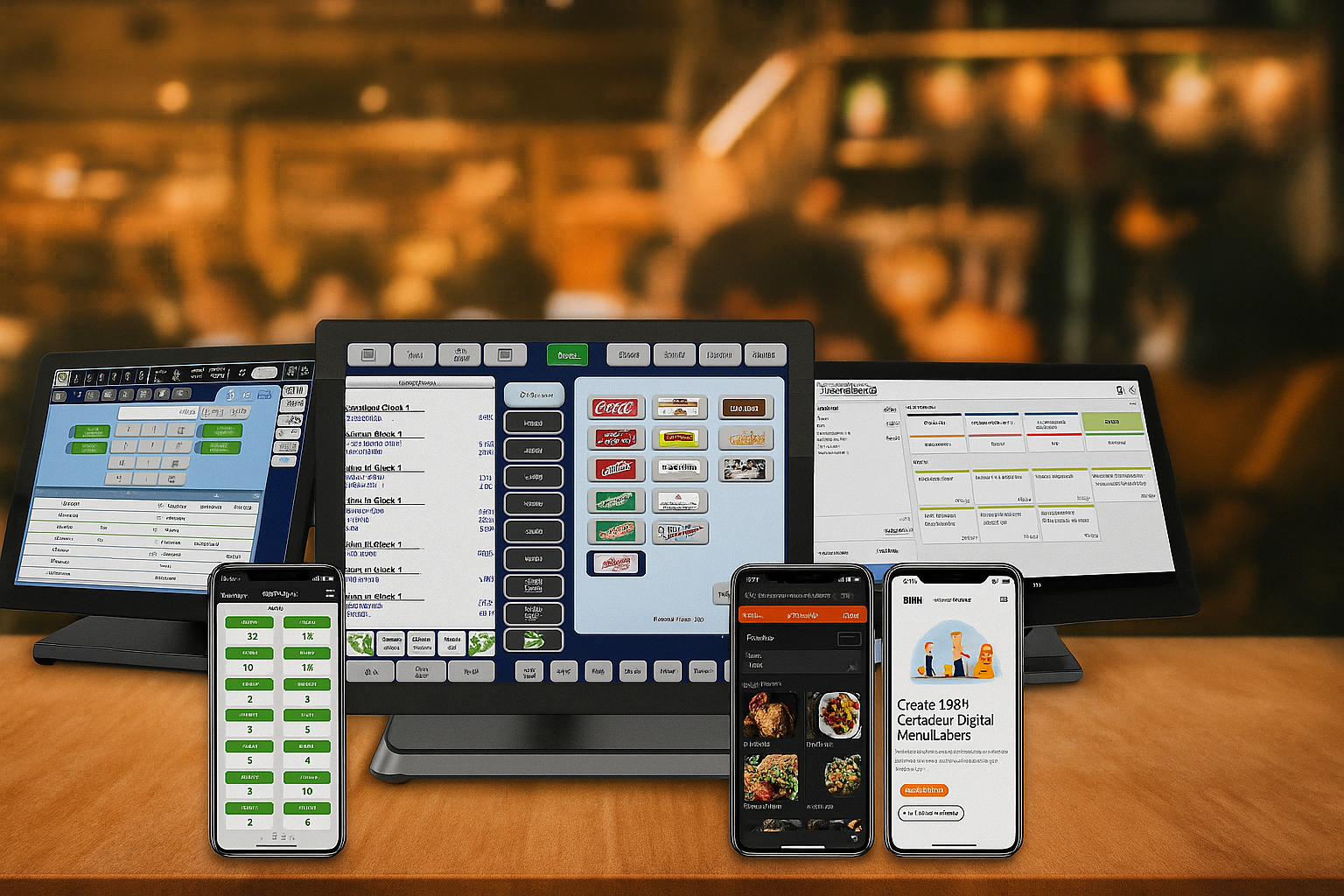
- POS system (retail/restaurant)
- Inventory & warehouse tools
- eCommerce platforms
- Payroll/HRM systems
- Bank statements (if available)
- CRM (for sales-driven businesses)
If you’re building an ecosystem (ERP POS HR attendance inventory) you may prefer a vendor that can offer a unified solution so your business runs on one connected platform instead of 5 separate apps.
Data Security Backup and Access Control
Your accounting data is sensitive. Losing it can damage cash flow operations and legal compliance.
Security checklist
- Regular automatic backups (daily/weekly)
- Role based access (admin accountant sales manager)
- Activity logs and approval workflows
- Encrypted cloud storage (for online systems)
- Two factor authentication (bonus)
If you choose offline software ensure.
- Backup routine is clear (external drive + cloud backup)
- Data is protected from system crashes or theft
Check Support Quality (This Matters More Than Features)
In Bangladesh, many businesses choose software but later suffer because.
- No one answers calls
- Training is weak
- Bugs remain unresolved
- Updates are slow
Choose a vendor who provides.
- Onboarding support
- Training for accounts + management
- Ongoing phone/WhatsApp/email support
- Clear SLA (support time commitment)
- Regular updates and improvements
Ask These Questions Before You Buy
Use this checklist during your demo or vendor meeting:
- Can the software handle Bangladesh VAT requirements and reports?
- Can it generate financial statements (P&L, balance sheet, cash flow)?
- Does it support multi user roles and approvals?
- Can it manage inventory (if needed) with accurate stock valuation?
- Is it cloud based or offline, and what are backup options?
- How long does implementation take, and what’s included?
- Is training included for staff?
- What happens if we need a new feature later?
- How easy is it to migrate data from Excel or old systems?
- What is the total cost for Year 1 and Year 2?
Common Mistakes Businesses Make (Avoid These!)
1) Buying the cheapest software
Cheap can become expensive if it lacks reports VAT ready features or proper support.
2) Choosing software without workflow mapping
A business that needs inventory chooses a “basic” accounts-only tool, then struggles.
3) Ignoring user adoption
If staff can’t use it daily, the system fails even if it’s powerful.
4) No backup plan
Offline systems without backups are risky.
5) No future scalability
Today you have one shop; next year you may have three branches. Plan ahead.
Which Accounting Software Is Best for Your Business in Bangladesh?
There isn’t one single best for everyone. But there is a best choice for your operations.
If you’re a small business / startup
- Simple invoicing + expense tracking
- Basic reports
- Affordable subscription
- Easy training
If you’re a growing SME
- Receivable/payable management
- VAT ready invoicing
- Inventory (if trading/retail)
- Multi user roles
- Strong support
If you’re enterprise multi branch
- Multi branch multi warehouse
- Approvals and audit trails
- Advanced reporting and dashboards
- Integration with ERP/POS/HR
- Customization options
Why Businesses Choose GCTL Infosys for Accounting Solutions
GCTL Infosys is a leading software and web development company based in Dhaka Bangladesh delivering digital solutions that help businesses grow confidently. If you’re looking for an accounting software that matches Bangladeshi workflows we focus on.
- Custom fit accounting & business management solutions
- VAT friendly invoicing and reporting support
- Role based access and secure data handling
- Training and long term support
- Optional integration with ERP, POS, HRM, inventory, and more
If your business has unique needs (multi-branch, custom reports, specific industry workflow), a tailored solution often saves time and reduces errors compared to forcing your business into a generic system.
FAQs
1) What is the best accounting software in Bangladesh for SMEs?
The best option depends on your workflow, but SMEs typically need invoicing due tracking VAT friendly reporting and easy financial statements.
2) What is the accounting software price in Bangladesh?
Pricing varies by features and users. Some tools are subscription-based (monthly/annual) while others offer one time licensing plus support costs.
3) Should I choose cloud accounting software or offline software in Bangladesh?
Cloud software is ideal for remote access multi branch businesses, and automatic backups. Offline may suit limited internet environments.
4) Can accounting software help with VAT and tax compliance in Bangladesh?
Yes. A good system supports VAT ready invoicing purchase/sales registers audit trails and reporting that simplifies compliance.
5) How long does it take to implement accounting software for a business?
For standard setups implementation can be done quickly. For customized workflows (inventory production multi branch) it can take longer depending on complexity.