
Application Development in Bangladesh: A Complete Business Guide for Custom Software, Web Apps and Digital Growth
Modern Application Development is no longer only about writing code. For growing businesses in Bangladesh, it is about building secure, scalable and practical digital systems that reduce manual work, improve customer experience and support long-term business growth. Whether you need an ecommerce platform, ERP, POS, HRM, inventory software, mobile app or industry-specific application, the right development partner can turn business problems into reliable digital workflows.
GCTL Infosys Bangladesh works with businesses that need more than a basic website. Many companies already have sales, accounts, stock, customer service and operational challenges, but their current tools are disconnected. A well-planned application connects these areas into one smarter system, helping teams work faster, owners make better decisions and customers receive a smoother service experience.
Table of Contents
- Quick Answer: What Is Application Development?
- Search Intent: What Business Buyers Are Really Looking For
- Why Application Development Matters for Bangladesh Businesses
- Types of Application Development Services
- Core Features of a Business Application
- Application Development Life Cycle
- Technology Stack and Platform Selection
- Application Development Cost Factors
- How to Choose the Right Development Company
- FAQ: Application Development in Bangladesh
What Is Application Development?
Application development is the complete process of planning, designing, developing, testing, deploying and maintaining software applications for business or customer use. It can include web applications, mobile apps, ecommerce platforms, ERP systems, POS software, inventory tools, dashboards and custom automation systems.
Why Businesses Search for Application Development
Most people searching for application development are not simply looking for a definition. They usually have a business requirement: they need a software solution, want to compare technologies, estimate development cost or find a reliable development company in Bangladesh. This makes the keyword commercially valuable and decision-oriented.
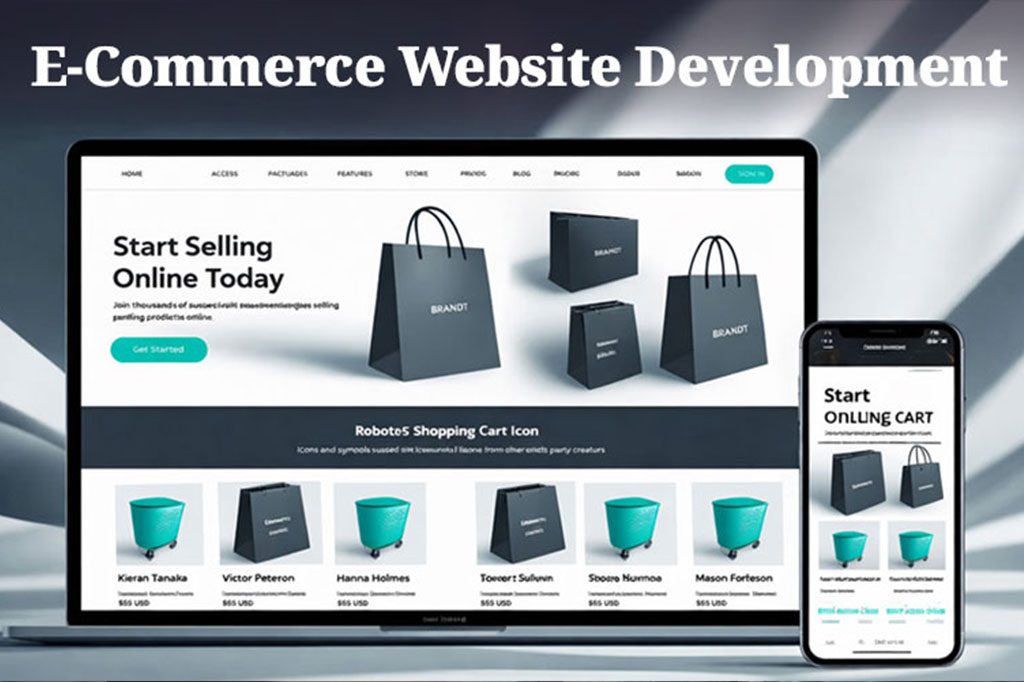
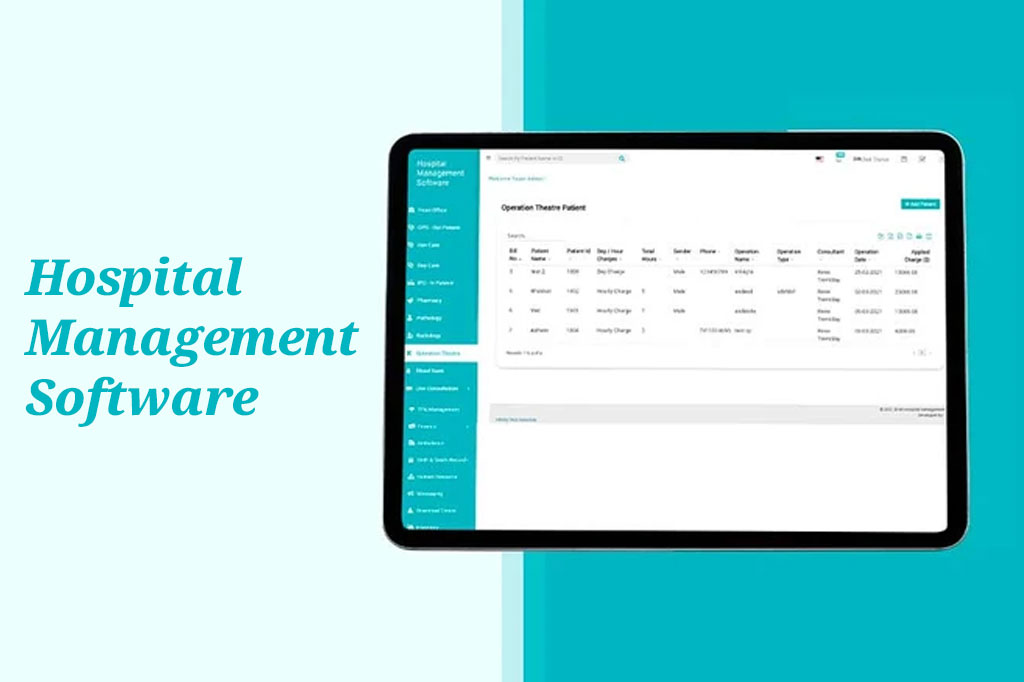
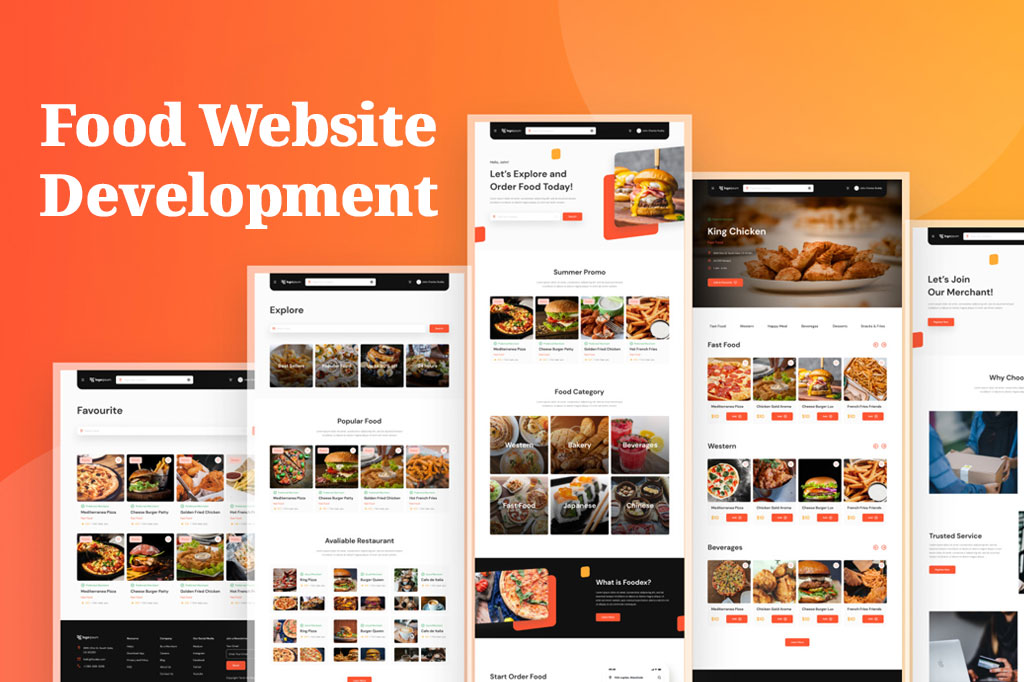
Bangladesh businesses are becoming more digital across retail, ecommerce, garments, restaurants, healthcare, education, logistics, service companies and corporate operations. But many businesses still depend on manual Excel sheets, phone-based order tracking, paper invoices or disconnected software. This creates errors, delays and limited visibility. A custom application solves these problems by bringing processes into a structured digital system. For example, an ecommerce business can connect product catalog, order management, customer data, payment workflow, delivery status and sales reporting. A restaurant can manage orders, billing, kitchen workflow, inventory and customer loyalty. A manufacturing or trading company can connect stock, purchase, sales, accounts and HR operations. Not every business needs the same type of application. A startup may need a minimum viable product, while an established company may require a full ERP or ecommerce automation system. The best solution depends on business model, budget, users, security needs and growth expectations. Web applications run through a browser and are useful for business dashboards, customer portals, ecommerce systems, admin panels, CRM tools, booking systems and internal management platforms. Companies often choose web apps because they are accessible from desktops, laptops, tablets and mobile devices without installing separate software. When customers, field teams or service users need direct access from smartphones, Mobile Application Development becomes important. Mobile apps are useful for ecommerce, delivery tracking, customer loyalty, booking, field reporting, service management and real-time notifications. For Bangladesh’s large Android user base, Android Apps Development is often a priority. Businesses targeting premium users, corporate clients or international markets may also need Ios App Development. When budget and faster cross-platform deployment matter, Hybrid Mobile App Development can be a practical choice. Enterprise applications support complex business operations such as ERP, POS, HRM, inventory, procurement, production, reporting and approval workflows. These systems are especially useful for garments, restaurants, healthcare, retail, education, service companies and growing SMEs that need structured control. Ecommerce applications require more than product pages. A strong platform should support product management, secure checkout, order tracking, customer accounts, payment gateway integration, stock control, promotions, analytics and SEO-friendly architecture. This is especially important for businesses planning long-term online sales growth. A professional application should be built around real business needs. Features should not be added only because they sound modern. Each feature should solve a specific operational, customer or management problem. Testing is one of the most important parts of a successful application development life cycle. A business application should be checked for functionality, usability, performance, security, mobile responsiveness, browser compatibility and data accuracy before launch. Skipping testing may reduce initial time, but it often creates higher costs later through bugs, downtime and user dissatisfaction. A reliable application is not built randomly. It follows a structured development process where each phase reduces risk and improves final quality. For business owners, understanding this process helps set realistic expectations and avoid costly mistakes. This stage identifies the business goals, user roles, workflows, reports, integrations and pain points. A professional team should ask practical questions: Who will use the system? What problem will it solve? What data will be stored? Which reports are needed? What should happen after an order, payment or approval? Not all features need to be developed in the first version. A smart plan separates must-have features from future improvements. This keeps the project focused, controls budget and helps launch faster. User interface and user experience design decide how easily people can use the application. Clean navigation, logical forms, simple dashboards and mobile-friendly layouts are important for adoption. A powerful application fails if staff or customers find it confusing. Developers build the front end, back end, database, API connections, admin panel and business logic. This may include ecommerce functions, payment gateway, SMS notification, inventory sync, third-party API, ERP modules or custom reporting. Application development testing includes checking user flows, forms, calculations, permissions, performance and security. Mobile application development testing is also important when the system must work smoothly across different screen sizes and devices. After launch, the application needs monitoring, updates, bug fixing, user training and performance optimization. Long-term maintenance ensures the system remains stable as business needs, technology and user expectations change. The right technology depends on the project scope, scalability requirement, budget, team expertise and future maintenance plan. A business should not choose technology only based on popularity. It should choose what fits the application’s purpose. For enterprise-grade systems, Net Development can be suitable when the project requires strong structure and integration with Microsoft-based environments. For dynamic business platforms, Php Web Application Development remains widely used because of flexibility and cost-effective implementation. Many modern web applications use Laravel Application Development because it supports structured coding, security practices, routing, database management and maintainable development. For front-end structure, interactive interfaces and responsive layouts, Html5 Web Development continues to play an important role. Application development cost can vary widely because every project has different requirements. A simple business dashboard costs much less than a full ecommerce platform with inventory, payment gateway, mobile app, reporting and multi-branch management. Instead of asking for a fixed price too early, businesses should first define scope clearly. A transparent development company should explain what is included in the proposal, what may increase cost later and which features can be planned for future phases. This approach helps businesses avoid budget surprises and launch a useful first version faster. Many service pages explain application development in general terms but do not guide business buyers clearly. They often miss practical decision factors such as cost drivers, testing phases, technology selection, implementation risks, maintenance planning and business-specific use cases. A stronger application development strategy should answer both technical and commercial questions. Selecting the right development partner is one of the most important decisions in a software project. A low-cost provider may seem attractive at first, but poor planning, weak testing and unclear documentation can create higher long-term costs. GCTL Infosys Bangladesh positions application development as a business solution, not only a technical service. With experience across software development, web application, mobile app, ERP, POS, HRM, inventory, restaurant and industry-focused digital systems, the team can help businesses plan applications around practical goals. The Bangladesh and Germany business presence also supports companies that want a professional development approach for local and international growth. Application development for business means creating custom software that supports specific operations such as sales, ecommerce, inventory, HR, POS, customer management, reporting or internal workflow automation. It includes planning, design, coding, testing, launch and maintenance. The cost depends on project scope, features, platform, design complexity, integrations, security requirements and maintenance needs. A simple application costs less than a full ecommerce, ERP or mobile app system with multiple user roles and custom reporting. A web application is suitable when users need access through browsers across desktop and mobile devices. A mobile application is better when customers or field teams need phone-based access, push notifications, device features or a more app-like experience. Important testing phases include functional testing, usability testing, performance testing, security testing, browser compatibility testing, mobile responsiveness testing and user acceptance testing. These steps help reduce bugs before launch. Custom application development is better when your business has unique workflows, special reporting needs, integration requirements or future scaling plans. Ready-made software may work for simple needs, but it often limits customization. Yes. A properly developed ecommerce application can support product management, checkout, order tracking, customer accounts, payment gateway, inventory, promotions, analytics and SEO-friendly growth planning. Application development is a long-term business investment. The right system can reduce manual work, improve customer experience, centralize data, support management decisions and prepare your company for digital growth. The wrong system can create confusion, hidden costs and operational risk. If your business is planning ecommerce, mobile app, ERP, POS, HRM, inventory or a custom web application, GCTL Infosys Bangladesh can help you move from idea to structured execution. Start with a clear requirement discussion, define the right platform and build a solution that supports your business goals today and future growth tomorrow. Next step: Visit the GCTL Infosys Ecommerce Website Development service page and discuss how a custom application can support your business growth in Bangladesh and beyond.Why Application Development Matters for Businesses in Bangladesh
Business Benefits of Custom Application Development
Types of Application Development Services
Web Application Development
Mobile Application Development
Android, iOS and Hybrid App Development
Enterprise and Industry-Specific Application Development
Ecommerce Application Development
Core Features Every Business Application Should Consider
Feature Area Business Purpose Example Use Case User Role Management Control access for admin, manager, staff and customer users Sales team sees orders, accounts team sees invoices, admin sees full reports Dashboard and Reporting Provide real-time visibility into business performance Daily sales, stock alerts, pending orders and customer activity Payment Integration Enable secure online payment and transaction tracking Ecommerce checkout, subscription payment or invoice settlement Inventory Management Track stock movement and reduce overselling or shortage Warehouse, retail shop, restaurant ingredients or ecommerce products Notification System Improve communication with users and internal teams Order confirmation, delivery update, approval alert or payment reminder Security and Backup Protect sensitive business and customer data Login protection, role permissions, data backup and audit records Application Development Testing Should Never Be Ignored
Application Development Life Cycle: From Idea to Launch
1. Requirement Analysis
2. Planning and Feature Prioritization
3. UI/UX Design
4. Development and Integration
5. Testing and Quality Assurance
6. Deployment, Training and Maintenance
Technology Stack and Platform Selection
.NET, PHP, Laravel and HTML5 Development
Custom Application vs Ready-Made Software
Decision Factor Ready-Made Software Custom Application Development Business Fit Works if your process matches the software Built around your exact workflow Initial Cost Usually lower at the beginning Depends on scope, features and integrations Scalability Limited by vendor features Can grow with business requirements Customization Often restricted Flexible and business-specific Long-Term Value Good for simple needs Stronger for unique operations and competitive advantage Application Development Cost Factors in Bangladesh
Main Factors That Affect Development Cost
Content Gap Insights: What Many Application Development Pages Miss
Important Topics Buyers Should Look For
How to Choose the Right Application Development Company in Bangladesh
Checklist Before You Hire a Development Team
FAQ: Application Development in Bangladesh
What is application development for business?
How much does application development cost in Bangladesh?
Should I build a web application or mobile application?
What are the main application development testing phases?
Why choose custom application development instead of ready-made software?
Can application development support ecommerce business growth?
Build a Scalable Business Application with GCTL Infosys