
If you’ve ever visited a bank hospital diagnostic center government office telecom service point or even a busy restaurant in Bangladesh you’ve likely experienced the same frustration: long lines confusion about who came first crowding and sometimes arguments. Managing customer flow is not just an operational issue it directly affects customer satisfaction staff productivity and brand reputation.
That’s why many organizations now search for manual queue vs queue management system which one works better in Bangladesh. The question is practical: should you keep the traditional line up and wait method or invest in a queue management system software in Bangladesh with token display counter calling and analytics?
In this in depth people first guide we’ll compare both systems honestly what works what fails who should use what and how to decide based on your service type and budget.
What Is a Manual Queue?
A manual queue is the traditional method where people physically stand in a line and wait for their turn. In Bangladesh, manual queues often include:
- One visible line
- Multiple service counters
- Security guards managing crowd
- Verbal announcements (Next!)
- Sometimes handwritten serial numbers or paper slips
It’s simple, low-cost, and familiar to everyone but it breaks down quickly during peak hours.
What Is a Queue Management System (QMS)?
A Queue Management System is a digital solution that manages customer flow using tokens and automated calling.
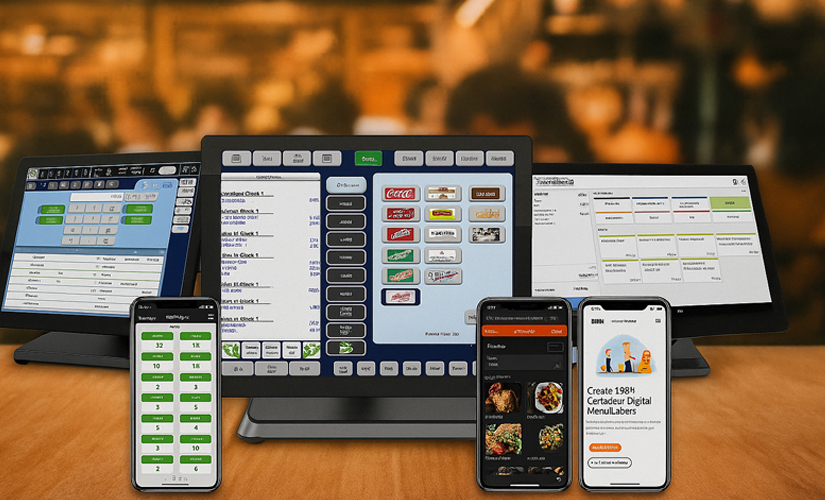
A typical QMS includes:
- Token issuing device (kiosk tablet mobile app or counter)
- Token printing (optional) or SMS token
- Queue display screen (LED/LCD)
- Counter calling system (voice display)
- Service category selection (billing customer support cash doctor)
- Reports and analytics (average wait time peak hours counter performance)
Instead of standing uncertainly in a crowded line, customers take a token and wait comfortably until called.
Why This Decision Matters in Bangladesh Specifically
Bangladesh has unique queue challenges:
- High service demand in small spaces
- Peak hour rush (salary day report delivery time lunch rush)
- Multiple service types at the same counter
- Limited seating and crowd control challenges
- Customers often worry about fairness (who is next?)
- Cultural tendency to ask again and again if not guided clearly
So the better system is the one that reduces confusion, crowding and service stress.
Manual Queue: Where It Works Well And Where It Fails
Manual queues work best when:
- Customer volume is low to moderate
- Only one service type exists
- Service time is short and predictable
- Space is wide enough for a line
- Staff can see the whole queue clearly
Example: small pharmacy counter small shop low traffic billing counter.
Manual queues fail when:
- Customer volume becomes high
- Multiple counters exist and people don’t know where to go
- Service time varies (some customers take 2 minutes others 15 minutes)
- Crowding becomes a safety risk
- Customers get frustrated and complain
- VIP interruptions create unfairness
Example: hospitals banks telecom centers government service offices diagnostics busy restaurants.
Queue Management System: Where It Works Well (And Where It May Not)
QMS works best when:
- Customer volume is high
- Multiple counters and services exist
- You want fairness and transparency
- Waiting time is significant
- Customer experience matters
- You need analytics and performance tracking
Example: hospital OPD, diagnostic centers, bank branches, city corporation offices, passport/NID services, telecom customer care.
QMS may not be necessary when:
- Daily visitors are very low
- Space and budget are extremely tight
- The queue is predictable and short
- Customers prefer immediate first come first serve with no waiting area
But even in smaller businesses, a simple token system can still improve organization.
Head to Head Comparison: Manual Queue vs Queue Management System
1) Customer Experience
Manual Queue:
- Customers stand for long periods
- Confusion about turn order
- More stress and crowding
QMS:
- Customers sit and wait
- Clear token order and display
- Better comfort and reduced tension
Winner in Bangladesh: QMS (especially for busy places)
2) Fairness and Transparency
Manual Queue:
- Line breaking happens
- Arguments can start
- VIP entries cause dissatisfaction
QMS:
- Token order is visible
- Less opportunity for manipulation
- Easier to handle priority tokens (if needed)
Winner: QMS
3) Speed and Operational Efficiency
Manual Queue:
- Staff spend time managing the line
- Customers ask how long more? repeatedly
- Confusion slows down counters
QMS:
- Counters call the next token instantly
- Customers are guided automatically
- Staff focus more on service, less on crowd control
Winner: QMS (especially during peak hours)
4) Crowd Control and Safety
Manual Queue:
- Crowding becomes common
- Blocking entrances and counters
- Harder to maintain a calm environment
QMS:
- Reduces crowd at counter
- Organizes waiting area
- Helps maintain order and reduce chaos
Winner: QMS
5) Cost and Setup
Manual Queue:
- Very low cost
- No technology needed
- Depends heavily on staff discipline
QMS:
- Requires display token system basic setup
- Needs training and minimal maintenance
- Higher initial cost but long term benefits
Winner: Manual queue only in cost
6) Reporting and Management Control
Manual Queue:
- No real data
- Decisions based on guesswork
- Hard to identify peak time and staffing needs
QMS:
- Reports show wait time, service time, peak hours
- Counter performance tracking
- Helps improve staffing and service design
Winner: QMS by a lot
7) Scalability (Multi Branch Multi Counter)
Manual Queue:
- Difficult to standardize across branches
- No centralized monitoring
QMS:
- Easy to replicate and standardize
- Can support multi-branch dashboards (if built)
Winner: QMS
Real Life Bangladesh Scenarios: Which One Works Better?
Banks and Financial Institutions
Bangladesh bank branches often face peak queues around:
- salary days
- bill payments
- remittance hours
Better option: Queue Management System
Because it supports multi service counters and reduces stress.
Hospitals and Diagnostic Centers
Patients and attendants already feel anxious. Manual queues add more pressure.
Better option: Queue Management System
Because it supports departments (doctor billing report collection) and reduces crowding.
Government Service Offices
Manual queues often lead to confusion, crowding, and complaints.
Better option: Queue Management System
Because transparency matters and reporting helps improve service.
Telecom Customer Care Centers
Customers need organized service categories (SIM billing complaint)
Better option: Queue Management System
Because service time varies and category based tokens improve flow.
Small Shops Low Footfall Counters
If average waiting time is under 5 minutes and visitors are low:
Better option: Manual queue (or basic token app)
Because the overhead of QMS may not be necessary.
How to Decide: A Simple Checklist for Bangladesh Businesses
Choose Manual Queue if:
- Daily visitors are low
- Service is quick and consistent
- Only one counter or one service type
- You have enough space for a clear line
Choose Queue Management System if:
- You have frequent peak hour crowding
- Multiple counters service categories exist
- Customers complain about fairness
- You need a calmer waiting area
- You want reporting and performance control
What Features to Look for in a Queue Management System in Bangladesh
If you decide to go with QMS prioritize:
Must have features
- Token generation (kiosk tablet counter)
- Service category selection (optional but useful)
- Queue display screen (LED LCD)
- Counter calling system (button app)
- Voice announcement support (optional)
- Priority token support (VIP elderly emergency) with control
- Reports: average wait time peak hours served tokens
Nice to have features
- SMS token WhatsApp notification
- Online appointment scheduling integration
- Multi branch dashboard
- Feedback collection after service
- API integration with ERP CRM
Implementation Tips People First Rollout
A QMS succeeds when people understand it.
Smooth rollout steps
- Start with one service area (pilot)
- Train counter staff and security reception
- Use clear signage: Take Token Here
- Design a comfortable waiting area
- Monitor reports for 2/4 weeks and improve flow
Keep it simple first then add advanced features.
How GCTL Infosys Can Help
GCTL Infosys builds Queue Management System software in Bangladesh for different industries banks hospitals diagnostics telecom government offices and service centers. We can provide:
- Token display counter calling system
- Category based service queues
- SMS WhatsApp token alerts (optional)
- Reports and dashboards (wait time peak hours counter performance)
- Custom workflow based on your service process
- Training and long term support
FAQs
1) Which is better in Bangladesh: manual queue or queue management system?
For high traffic service points (banks hospitals government offices) a queue management system works better due to fairness comfort and better control.
2) Does a queue management system reduce customer complaints?
Yes. It reduces line breaking confusion and crowding which are common causes of complaints in Bangladesh service centers.
3) Is queue management software expensive in Bangladesh?
Cost depends on features and hardware token device display. Many organizations recover cost through improved efficiency and customer satisfaction.
4) Can a queue management system handle multiple services?
Yes. Customers can choose categories billing doctor customer support and the system routes tokens to the right counters.
5) Do small businesses need a queue management system?
Not always. If footfall is low and waiting time is short a manual queue or basic token approach may be enough.