


Manufacturing ERP Software
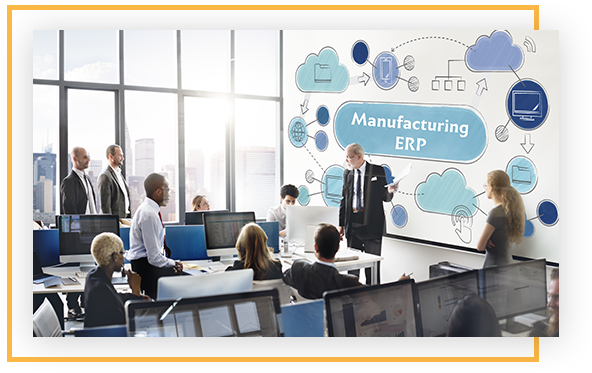
What is Manufacturing ERP?
Manufacturing ERP is a nuanced version of a regular ERP system, with a laser-sharp focus on streamlining and automating all the activities related to manufacturing. Manufacturing Resource Planning (MRP) can help in scaling up your business immensely. Learn all about it here.
Manufacturing ERP refers to Enterprise Resource Planning (ERP) software and systems used to plan, manage and deliver specific functionalities that support manufacturers and manufacturing business operations. Modern manufacturing ERP systems are built to flexibly support and integrate into any business process, creating a complete business management platform for manufacturing companies.
Who Needs Manufacturing ERP?
Manufacturing ERP software for manufacturing businesses of all sizes. Manufacturing businesses need ERP with industry-specific features and capabilities to manage, automate, track, collaborate, and connect every step of their dynamic manufacturing processes, from the receipt of a customer order to the shipment and delivery of the
Small Business ERP
ERP for small manufacturers eliminates the need for multiple tools and provides one system that works across the enterprise. It’s an end-to-end solution with best practice processes to manage business complexities. Many small businesses choose a modern cloud ERP system due to its faster deployment, lower ownership costs, anywhere access, increased security, and continuous upgrades.
Mid-Market ERP
ERP software for mid-market manufacturers offers built-in analytics, rapid deployment, and best practices for many different business processes to include financials, supply chain management, accounting, HR, and more. Modern ERP software provides growing businesses with the tools that will help them be more productive, agile, and competitive.
Enterprise ERP
Large manufacturers with global operations need a robust, leading-edge ERP with embedded AI, machine learning, and analytics. They require a platform that supports intelligent automation to transform processes. ERP systems can be deployed on-premise, in the cloud, or a hybrid scenario depending on the business need. It can be integrated with an existing database or preferably run on modern, powerful in-memory databases.
Competitive Advantages of Using Manufacturing Software
Competitive Advantages of Using Manufacturing Software
- Scale your business. If you only have 100 contacts to deal with, then you might be able to keep all of their information straight using a simple Excel spreadsheet, or even pen and paper. Larger companies, however, deal with thousands or potentially millions of contacts and customers, which require CRM software in order to keep that information well-organized and accessible.
- Operate more efficiently. When everyone in your company has access to your customer and contact data, you can deal with those customers more efficiently and avoid the dangers of over or under-contacting them. You can also track those interactions and analyze that data for more efficient resource planning.
- Protect valuable intellectual property. A manufacturer’s most valuable asset is usually their method of production, not the product itself. Software helps preserve and protect these trade secrets when combined with proper security tools.
Manufacturing accounting
Manages all of the financial transactions and operations for a company. In addition to the traditional accounting functions, which include general ledger, accounts payable, accounts receivable, inventory and payroll, the accounting application offers support for sales orders, purchase orders, change orders, work-in-progress reports and job costing modules.
Production planning & scheduling
Creates production schedules, which includes reviewing inventory levels, tracking lead times and making build-versus-buy decisions. This is a subset of MRP; planning and scheduling does not generally include automatic ordering or inventory tracking functionality.
Why is Manufacturing ERP Needed?
Standard ERP systems come with modules such as Customer Relationship Management, HR Management, Finance Module, Sales Module, etc. While these are key areas in any business, a manufacturing company needs ERP software that caters to some of its more specific needs.
The simplest solution to this problem is to build a type of ERP that has all the important modules of a standard ERP and also has a few other modules specifically for a manufacturing company. Sown as a manufacturing ERP.
Apart from all the standard ERP modules, the manufacturing applications ERP software also has modules like operations and product management, inventory control, engineering control, etc.
Benefits of Implementing Manufacturing ERP in your Organization
While there can be a different set of advantages for each organization at different phases of implementation, here’s what you can expect:
- You can save on time and money since the inefficiencies are eliminated and replaced by software-induced elements that refine production in a harmonious manner.
- Human resources are relieved of the unnecessary burden as the redundancies are ironed out.
- You can avail better product quality, faster time to market, competitive margins, and higher inventory visibility (transparency) levels, which also translate to greater accuracy for future planning.
- As a business, it will help strengthen your brand as your products provide ‘more value for money’ over time. It will also improve customer satisfaction since your overall strategy will be oriented towards adding value to the product without inflating its prices unnecessarily.
- Manufacturing ERP also helps reduce the burden on the environment since the overall increased efficiency of operations also minimizes waste and damage to the environment.
Modern-day ERP suites are undoubtedly far more improvised than old MRP systems. But when it comes to implementation in a manufacturing organization, it is necessary that the proposed solution is better optimized to suit manufacturing operations rather than following a generalist approach. In fact, even an inventory management software may provide greater value than a standard ERP solution if chosen wisely. We hope that this article helps you get a better idea of standard vs. manufacturing ERPs.
Manufacturing Industry Best Practices
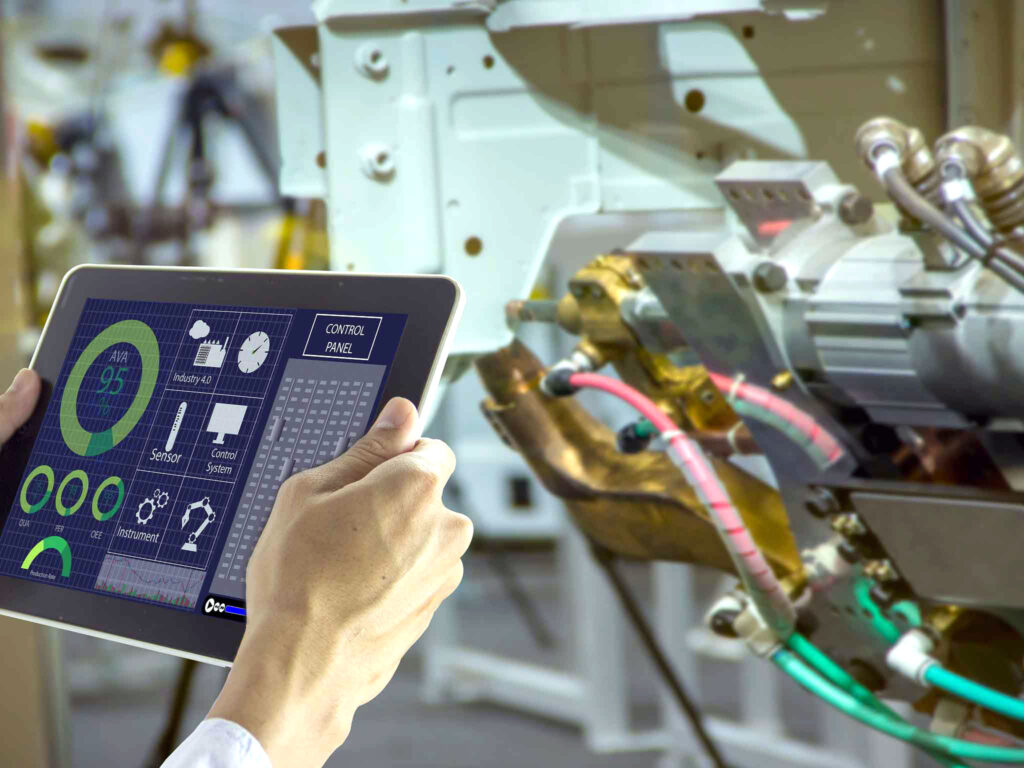
Manufacturers have distinct business processes that differentiate them in the market and they must adhere to industry-specific requirements, mandated regulations and standards.
Features Guide
A List of Common Manufacturing Features
Material requirements planning (MRP)
Automates the front end of the production process. Functions include planning and costing of materials, labor and equipment; automated quoting; order processing and resource scheduling. Systems should also process advanced shipping notification from suppliers to reduce receiving errors and report any changes in cycle counts for inventory management.
Manufacturing execution system (MES)
Controls the actual production phase and shop floor operations. Functions include work-in-progress reporting, production tracking, labor tracking, equipment utilization and scrap reporting.
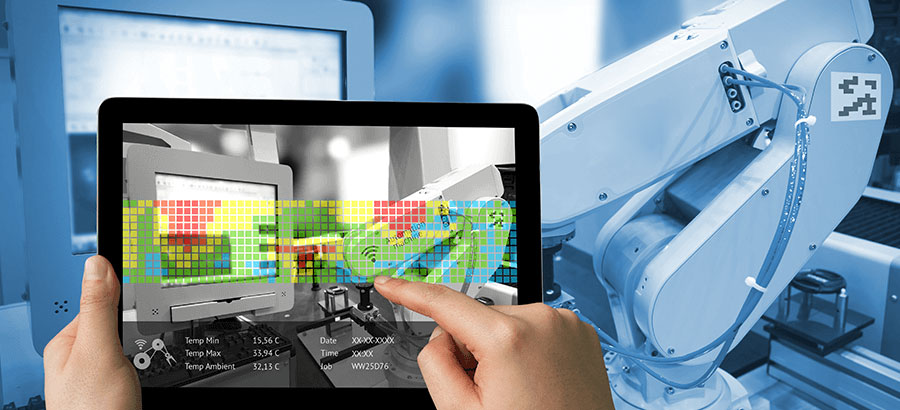
Manufacturing ERP Software Features at Glance

Inventory Management

Materials Requirement Planning (MRP)

Manufacturing Execution System (MES)

Quality Control & Assurance

Production Planning & Scheduling

Bill of Materials (BOM) Management

Finance & Accounting

Reporting & Analytics
[wp-faq-schema title=”Frequently asked questions :” accordion=1]