
In today’s global trade environment, speed, accuracy, and compliance are critical for successful logistics operations. Companies involved in import and export are increasingly adopting clearing forwarding software to streamline customs processes, improve shipment tracking, and enhance operational efficiency.
In Bangladesh, the logistics and freight forwarding industry is growing rapidly, driven by international trade and industrial expansion. To support this growth, technology providers like GCTL Infosys are delivering advanced clearing and forwarding systems, logistics management software, and customs automation solutions that help businesses operate more efficiently.
This article explains how clearing forwarding software improves customs and logistics operations efficiency, along with its features, benefits, and future trends.
What is Clearing Forwarding Software?
Clearing forwarding software (C&F software) is a digital system designed to manage customs clearance, freight forwarding, shipment documentation, and logistics operations.
A modern freight forwarding management system typically includes:
- Import and export documentation
- Customs clearance tracking
- Shipment scheduling
- Freight billing and invoicing
- Container tracking
- Client and shipment database
- Compliance management
It replaces manual paperwork with automated digital workflows.
Why Clearing Forwarding Software is Important
Freight forwarding and customs clearance involve complex processes. Without proper systems, businesses face:
- Delayed shipments
- Documentation errors
- Compliance issues
- Poor tracking visibility
- High operational costs
A clearing forwarding software solution helps overcome these challenges by improving accuracy, speed, and transparency.
How Clearing Forwarding Software Improves Efficiency
Let’s explore how these systems transform logistics and customs operations.
1. Automated Customs Documentation
One of the key features of clearing forwarding software in Bangladesh is automation of documents.
It helps businesses:
- Generate customs forms
- Store shipping documents digitally
- Reduce manual paperwork
This ensures faster clearance at ports.
2. Real-Time Shipment Tracking
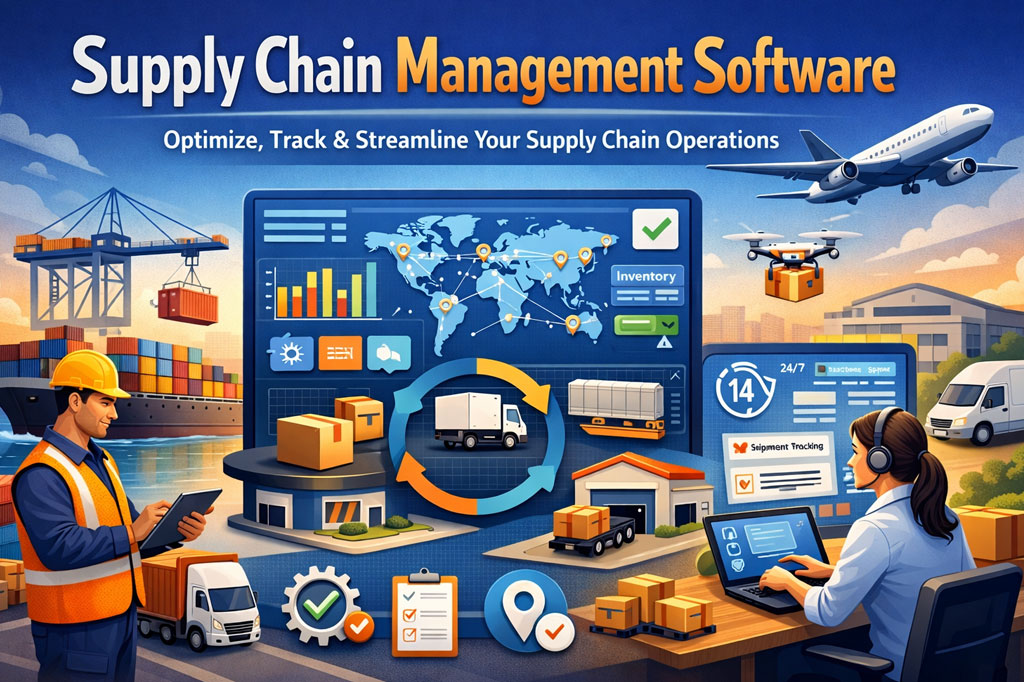
A logistics tracking system allows businesses to:
- Track shipments in real time
- Monitor cargo movement
- Provide updates to clients
This improves transparency and trust.
3. Faster Customs Clearance Process
Customs clearance is often time-consuming.
A freight forwarding system software helps:
- Organize documents properly
- Ensure compliance requirements
- Reduce delays in approval
4. Billing and Invoice Management
A clearing forwarding management system automates financial processes:
- Freight billing
- Client invoicing
- Cost calculation
This reduces financial errors.
5. Container and Cargo Management
Businesses can track:
- Container location
- Cargo status
- Delivery schedules
This improves logistics coordination.
6. Client Management System
A C&F software solution in Bangladesh allows companies to:
- Maintain client records
- Track shipment history
- Manage service requests
7. Compliance and Regulation Management
Customs regulations are strict and complex.
Software helps ensure:
- Proper documentation
- Regulatory compliance
- Reduced legal risks
8. Automated Notifications and Alerts
A logistics management system sends:
- Shipment updates
- Clearance alerts
- Delivery notifications
9. Reporting and Analytics
A clearing forwarding software system provides:
- Shipment performance reports
- Revenue tracking
- Operational efficiency insights
10. Cloud-Based Access
Modern systems offer cloud features:
- Remote access
- Real-time updates
- Data security
Key Features of Clearing Forwarding Software
A modern freight forwarding software solution includes:
- Customs documentation management
- Shipment tracking system
- Billing and invoicing
- Client database
- Compliance tools
- Cargo tracking
- Reporting dashboard
- Cloud integration
Benefits of Clearing Forwarding Software
Using clearing forwarding software in Bangladesh offers many benefits:
1. Improved Efficiency
Automates manual logistics tasks.
2. Faster Customs Clearance
Reduces delays in shipment processing.
3. Better Accuracy
Minimizes human errors in documentation.
4. Enhanced Transparency
Provides real-time shipment visibility.
5. Cost Reduction
Reduces operational and administrative costs.
Challenges Without Clearing Forwarding Software
Companies without digital systems often face:
- Delayed shipments
- Lost documentation
- Poor coordination
- Compliance issues
- Inefficient tracking
Role of Software Companies in Bangladesh
Technology providers like GCTL Infosys support logistics businesses by offering:
- Custom clearing forwarding software development
- Logistics management systems
- Freight tracking solutions
- Customs automation tools
- Cloud-based SCM systems
Future of Clearing Forwarding Software
The future of clearing forwarding systems in Bangladesh includes:
- AI-powered logistics optimization
- Blockchain-based shipment tracking
- IoT-enabled cargo monitoring
- Smart customs automation
- Predictive logistics analytics
Best Practices for Implementation
To successfully implement C&F software, businesses should:
- Train staff properly
- Digitize documentation processes
- Integrate with customs systems
- Use cloud-based platforms
- Monitor performance regularly
Final Thoughts
Clearing forwarding software is transforming the logistics and customs industry by improving efficiency, accuracy, and transparency. It simplifies complex freight forwarding processes and ensures smooth international trade operations.
With support from companies like GCTL Infosys, logistics businesses can implement advanced C&F systems, freight management software, and customs automation solutions that enhance operational performance.
In today’s competitive global trade environment, digital logistics solutions are essential for success.
FAQs
1. What is clearing forwarding software used for?
It is used to manage customs clearance, shipment tracking, and freight documentation.
2. Why is it important in Bangladesh?
It improves logistics efficiency and reduces shipment delays.
3. Can it track shipments in real time?
Yes, most modern systems offer real-time tracking.
4. Does it help with customs documentation?
Yes, it automates and organizes customs paperwork.
5. Is cloud-based access available?
Yes, many systems offer cloud-based remote access.