
If you run a retail shop in Bangladesh grocery clothing cosmetics electronics pharmacy stationery or a mini mart you’ve probably faced the same daily challenges: customers want fast checkout prices change often stock runs out without warning, and at the end of the day you still have to calculate sales profit and due payments. Many shop owners start with manual billing because it’s familiar and cheap. But as the shop grows manual billing starts creating hidden losses: wrong pricing missed stock deductions untracked discounts and unclear cash control.
That’s why so many business owners search for POS vs manual billing: which one works better for Bangladesh retail shops. The honest answer is: it depends on your shop size and workflow but for most growing retail stores a modern POS software in Bangladesh becomes the smarter choice because it improves speed inventory accuracy and profit control.
In this people first in-depth guide you’ll learn:
- What manual billing and POS billing really mean in Bangladesh shops
- A real comparison (speed cost inventory VAT reporting loss control)
- Where manual billing still works
- When POS becomes a must-have
- How to choose POS software and implement it smoothly
What Is Manual Billing in Bangladesh Retail?
Manual billing means you handle sales using:
- handwritten receipts/challans
- calculator or mental calculation
- a notebook for daily sales
- sometimes a basic Excel sheet
- stock counted manually (weekly/monthly)
It’s simple and requires almost no setup. But it relies heavily on staff honesty memory and consistent discipline.
What Is POS Billing (Point of Sale System)?
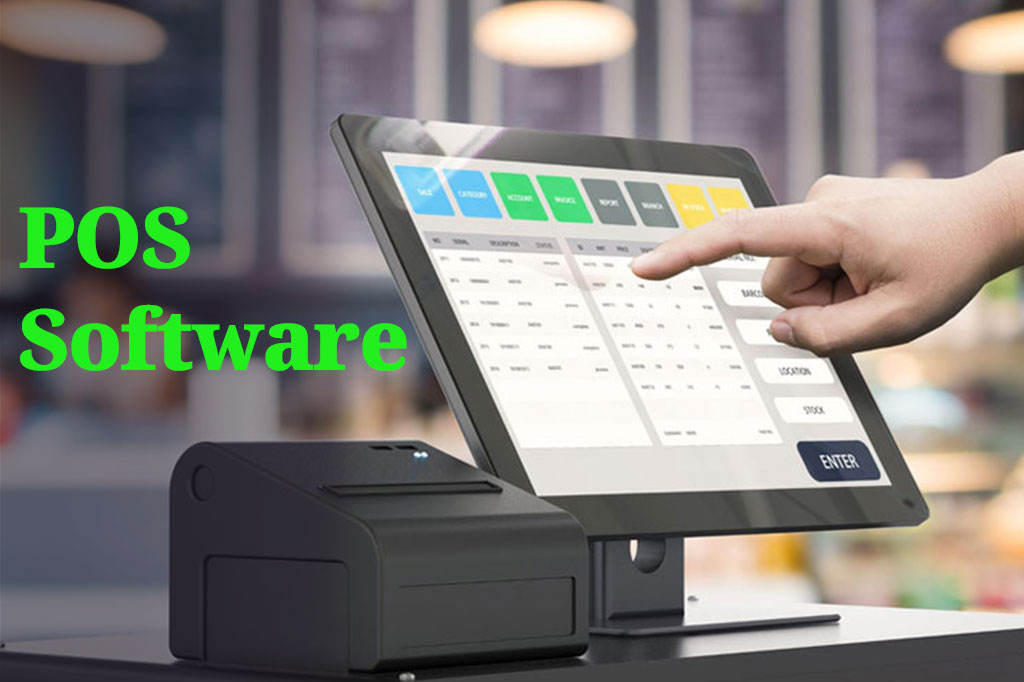
A POS system is software (usually with a computer or tablet) that manages:
- barcode billing and invoices
- product list with prices
- real time stock deduction on sales
- discounts and promotions
- VAT/tax settings (if needed)
- daily sales reports
- customer and supplier records (optional)
- returns and refunds tracking
- cashier control and audit logs
A POS system turns billing into a structured process and makes the business measurable.
What Matters Most for Bangladesh Retail Shops?
In Bangladesh, retail shops often deal with:
- high foot traffic during peak hours
- price changes due to supplier fluctuation
- multiple product variants (size/color/brand)
- staff turnover
- cash and mobile banking payments
- frequent discounts and special price sales
- limited time to track inventory properly
So the better option is the one that reduces confusion, speeds checkout, and protects profit.
POS vs Manual Billing (Real World Bangladesh Perspective)
1) Checkout Speed and Customer Experience
Manual billing
- slower checkout (especially with many items)
- calculation mistakes are common
- customers wait longer during rush time
POS billing
- barcode scan makes checkout fast
- fewer pricing mistakes
- quicker receipts and smoother service
If you have peak hour rush POS improves customer experience immediately.
2) Pricing Accuracy and Discount Control
Manual billing
- wrong pricing happens easily
- discounts are often not tracked clearly
- staff may give extra discount without record
POS billing
- fixed product price database
- controlled discount permissions
- discount history available
Pricing control directly protects profit.
3) Stock Control and Inventory Accuracy
This is where manual billing struggles the most.
Manual billing
- stock is not deducted per sale
- shop owners discover stock outs late
- dead stock piles up because nobody tracks movement
- stock mismatch is common during stocktake
POS billing
- stock updates automatically after each sale
- low stock alerts (optional)
- fast moving and slow moving reports
- better purchase planning
For most Bangladesh retail shops, inventory control is the biggest reason to switch.
4) Daily Sales Tracking and Reporting
Manual billing
- daily sales are estimated or calculated manually
- difficult to track profit by product
- hard to see peak time and best selling items
POS billing
- daily sales report in one click
- product wise profit analysis (if cost is tracked)
- cashier wise and counter wise reporting (optional)
Owners stop guessing and start making decisions based on data.
5) Returns Refunds and Exchange Management
Retail shops in Bangladesh handle many exchanges especially clothing and electronics.
Manual billing
- returns are messy
- stock might not be adjusted properly
- hard to verify original purchase details
POS billing
- return linked to original invoice
- stock adjusted automatically
- refund and exchange records stay clean
This reduces disputes and inventory confusion.
6) Staff Accountability and Business Control
Manual billing
- depends heavily on staff honesty
- difficult to track void bills or discounts
- no audit log of changes
POS billing
- cashier login and role based access
- audit logs: who applied discount who canceled invoice
- manager approval rules (optional)
This matters a lot when staff turnover is high.
7) VAT Invoicing and Formal Business Needs
Some businesses need VAT ready invoices and structured records.
Manual billing
- difficult to maintain consistent invoice format
- VAT reporting becomes complicated
POS billing
- standardized invoices
- VAT settings and reporting (depending on system)
- easier bookkeeping
Winner: POS
If you’re growing or becoming more formal, POS helps.
8) Upfront vs Hidden Losses
Manual billing
- low upfront cost
- but hidden losses occur
- wrong pricing
- stock shrinkage
- untracked discount
- expired/damaged goods unnoticed
- dead stock tying up cash
POS billing
- requires software device setup
- but reduces hidden losses and improves profit control
If your shop is tiny and simple manual billing may be fine. If your shop is growing POS usually pays back quickly.
When Manual Billing Still Works in Bangladesh
Manual billing can be acceptable if:
- your daily sales volume is low
- you sell limited items (small product list)
- you are the main person managing billing
- stock is easy to manage (few SKUs)
- you don’t need reports or inventory planning
Example: a small corner shop with limited items and low daily transactions.
When POS Works Better (Most Bangladesh Retail Shops)
POS becomes the better choice when:
- you have high customer traffic
- you sell many items 100 SKUs or multiple variants
- you have staff handling billing
- you face stock mismatch and frequent stock outs
- you offer discounts and promotions
- you want to scale add branches or improve professionalism
If you’re regularly facing stock doesn’t match or we don’t know profit POS is the upgrade you need.
What Features to Look for in POS Software in Bangladesh
If you decide to switch don’t choose POS based only on price. Choose based on features that reduce daily shop pain.
Must have POS features
- barcode billing and quick search
- product list with variants (size/color)
- real-time inventory deduction
- purchase and supplier records (basic)
- sales return and exchange
- daily sales and profit report (optional but important)
- cashier login and permissions
- backup and restore options
Nice to have features
- low stock alerts
- multi branch stock transfer
- customer loyalty and points
- mobile banking payment tracking
- SMS promotions and customer history
- integration with accounting software
POS Implementation Tips People First Rollout for Shop Owners
Many shop owners worry:
If we implement POS my staff will get confused.
You can avoid that with a simple rollout plan:
1. Build your product master
- item name SKU barcode
- purchase cost and selling price
- unit (pcs box)
- category (grocery cosmetics etc.)
2. Start with billing only first week
- train cashier to scan and print invoice
- keep process simple
3. Add inventory and purchase tracking week 2/3
- enter supplier purchases (GRN)
- stock auto updates
4. Enable reports and controls week 4
- discount permission
- daily closing report
- profit review
This phased approach makes adoption easy.
Why GCTL Infosys for POS Software in Bangladesh?
GCTL Infosys is a Dhaka-based software and web development company delivering tailored digital solutions. For retail businesses, we help with:
- POS software development and customization
- barcode billing and fast checkout
- inventory and purchase management
- returns/exchange workflow
- cashier permissions and audit logs
- sales profit and stock reports
- multi branch support (optional)
- training and ongoing support
We focus on making the system easy for cashiers and powerful for owners so it improves profit control without slowing sales.
FAQs
1) Is POS better than manual billing for Bangladesh retail shops?
For most growing shops yes. POS improves billing speed inventory accuracy and business reporting reducing hidden losses.
2) Can POS software reduce stock mismatch?
Yes. Because stock is deducted automatically at the time of sale and updated at purchase receiving, mismatch reduces significantly.
3) Does POS software work for small shops?
Yes. Even small shops benefit from faster billing and clean daily sales reports especially if they handle many SKUs.
4) What is the best POS feature for retail shops in Bangladesh?
Real time inventory control plus barcode billing is usually the biggest value because it reduces stock outs and pricing mistakes.
5) How long does it take to set up POS for a retail shop?
Basic billing can start quickly after product entry. Full setup with inventory and reporting depends on the number of products and training.