
In today’s fast-moving business environment, time management and proper planning are critical for success. Many companies now rely on scheduling management software to organize tasks, manage employees, and streamline daily operations. From corporate offices to service-based businesses, digital scheduling tools have become essential for improving productivity and reducing operational chaos.
In Bangladesh, businesses are rapidly adopting smart digital solutions to manage workflows more efficiently. Technology companies like GCTL Infosys are helping organizations implement advanced workforce scheduling systems, appointment booking software, and business automation tools that simplify planning and improve performance.
This article explores the best scheduling management software solutions for businesses and organizations, including features, benefits, and real-world use cases.
What is Scheduling Management Software?
Scheduling management software is a digital tool that helps businesses plan, organize, and manage tasks, appointments, and employee schedules efficiently.
A modern business scheduling system typically includes:
- Task scheduling
- Employee shift management
- Appointment booking
- Calendar integration
- Automated reminders
- Resource allocation
It replaces manual scheduling methods like spreadsheets and paper calendars.
Why Businesses Need Scheduling Software
Managing schedules manually often leads to:
- Missed appointments
- Overlapping meetings
- Poor resource utilization
- Communication gaps
A scheduling management software solution helps businesses:
- Save time
- Reduce errors
- Improve coordination
- Increase productivity
- Enhance customer experience
Best Scheduling Management Software Solutions
Let’s explore how these systems help organizations work smarter.
1. Automated Task Scheduling
A major feature of scheduling management software for businesses is automation.
It allows companies to:
- Assign tasks automatically
- Set deadlines
- Track progress
This reduces manual workload and improves efficiency.
2. Employee Shift Scheduling
For industries like retail, healthcare, and manufacturing, shift planning is essential.
A workforce scheduling system helps:
- Create employee shifts
- Avoid scheduling conflicts
- Manage attendance
This ensures smooth workforce management.
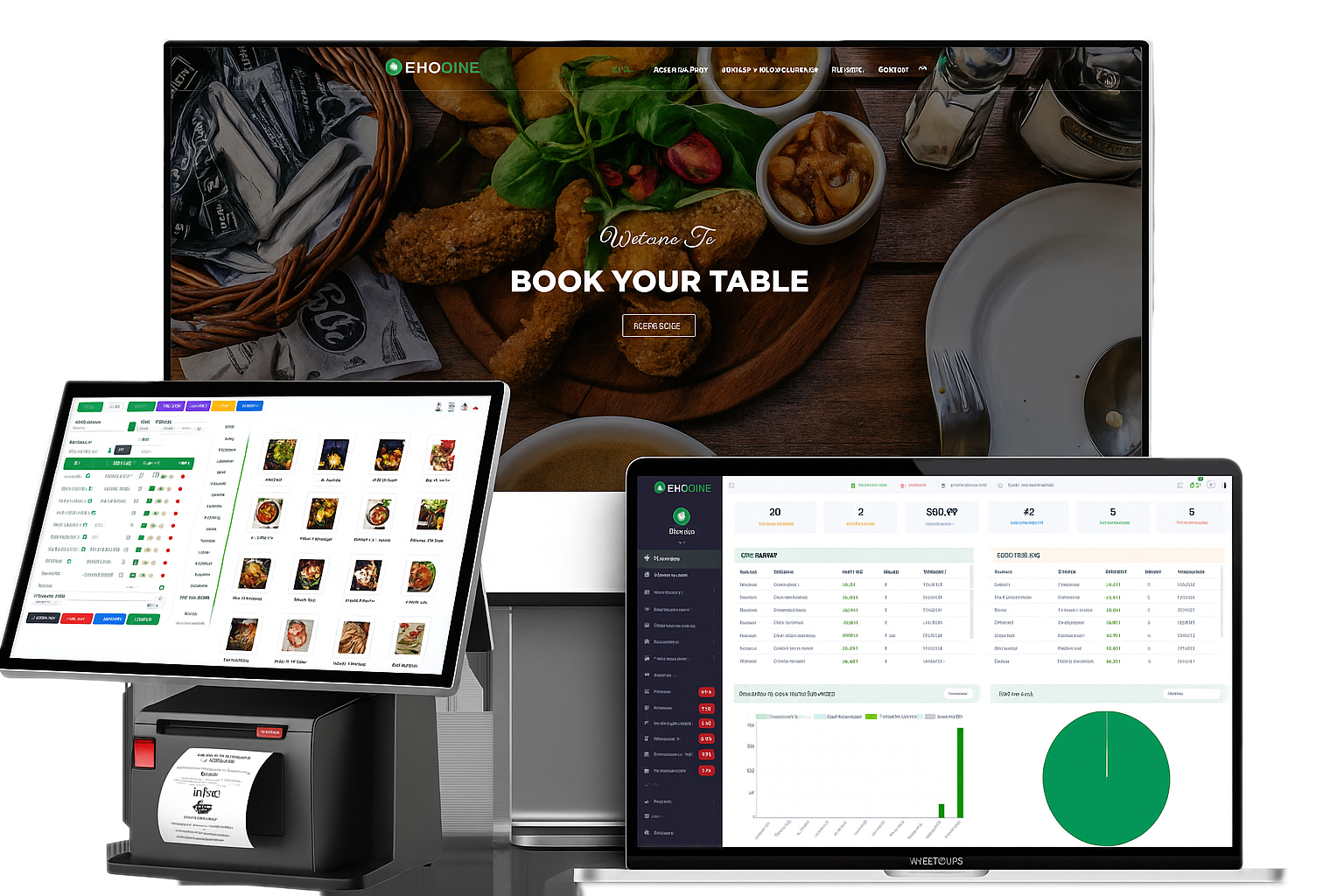
3. Appointment Booking System
Service-based businesses rely on appointments.
A scheduling software solution in Bangladesh enables:
- Online booking
- Time slot selection
- Automated confirmations
This improves customer convenience.
4. Calendar Integration
Modern systems integrate with tools like:
- Google Calendar
- Microsoft Outlook
This ensures:
- Real-time updates
- No scheduling conflicts
- Better coordination
5. Real-Time Notifications
A business scheduling software system sends:
- Meeting reminders
- Task alerts
- Schedule changes
This keeps everyone informed.
6. Resource Management
Scheduling is not only about time but also resources.
A smart scheduling management system helps manage:
- Meeting rooms
- Equipment
- Staff availability
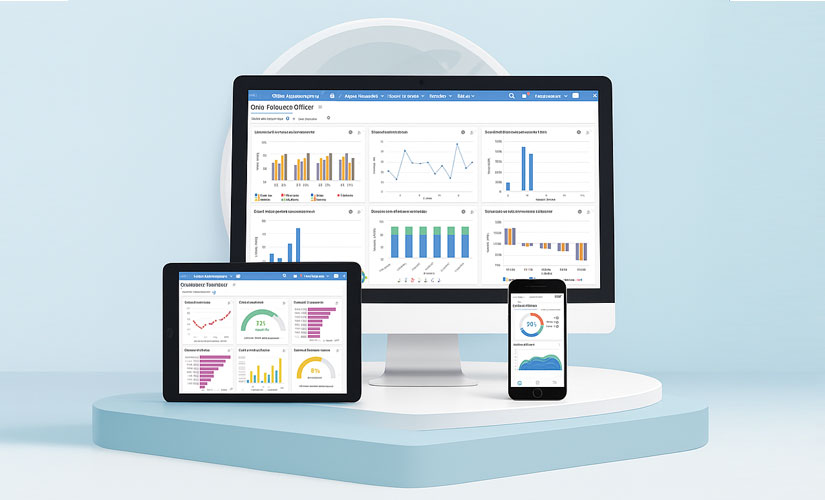
7. Centralized Dashboard
A centralized system allows managers to:
- Monitor schedules
- Track performance
- Manage departments
This improves decision-making.
8. Mobile Accessibility
Modern employees need flexibility.
A mobile-friendly scheduling system allows:
- Scheduling on the go
- Instant updates
- Remote access
9. Analytics and Reporting
A scheduling management software solution provides insights like:
- Productivity reports
- Task completion rates
- Employee performance
These insights help improve efficiency.
10. Cloud-Based System
Cloud-based scheduling software offers:
- Remote access
- Data security
- Easy scalability
Key Features of Scheduling Management Software
A powerful business scheduling tool includes:
- Task automation
- Employee scheduling
- Appointment booking
- Calendar sync
- Notifications system
- Reporting dashboard
- Mobile access
Benefits of Scheduling Management Software
Using scheduling management software in Bangladesh offers many advantages:
1. Increased Productivity
Employees spend less time planning and more time working.
2. Better Time Management
Tasks are organized efficiently.
3. Reduced Errors
Eliminates manual scheduling mistakes.
4. Improved Communication
Ensures everyone stays updated.
5. Enhanced Customer Experience
Faster and smoother appointment handling.
Challenges Without Scheduling Software
Organizations without scheduling systems often face:
- Missed deadlines
- Poor coordination
- Overlapping tasks
- Inefficient resource use
- Employee confusion
These issues reduce business performance.
Role of Software Companies in Bangladesh
Technology providers like GCTL Infosys help businesses by offering:
- Custom scheduling software development
- Workforce management systems
- Appointment booking platforms
- Business automation tools
- Cloud-based scheduling solutions
These systems help organizations work more efficiently.
Future of Scheduling Management Software
The future of scheduling systems in Bangladesh is evolving with advanced technologies:
- AI-based smart scheduling
- Predictive task planning
- Voice-assisted scheduling
- IoT integration
- Fully automated workforce systems
These innovations will make business operations faster and smarter.
Best Practices for Implementation
To successfully implement scheduling management software, businesses should:
- Train employees properly
- Integrate with existing tools
- Use cloud-based systems
- Regularly update schedules
- Monitor performance analytics
Final Thoughts
A scheduling management software solution is essential for modern businesses and organizations. It improves productivity, reduces errors, and ensures better coordination across teams.
With expert support from companies like GCTL Infosys, businesses can implement advanced workforce scheduling systems, appointment booking tools, and automated planning solutions that enhance operational efficiency.
In today’s competitive world, smart scheduling is not just helpful—it is a necessity for business success.
FAQs
1. What is scheduling management software used for?
It is used to plan tasks, manage appointments, and organize employee schedules.
2. Why is it important for businesses?
It improves productivity, reduces errors, and enhances coordination.
3. Can small businesses use scheduling software?
Yes, it is suitable for both small and large organizations.
4. Does it support mobile devices?
Yes, most modern systems are mobile-friendly.
5. Can it integrate with calendars?
Yes, it integrates with Google Calendar, Outlook, and other tools.