
Running a restaurant involves managing multiple processes simultaneously ordering supplies, managing inventory, tracking sales, and ensuring excellent customer service. In today’s competitive environment, managing these tasks manually can quickly become overwhelming, inefficient, and error-prone. This is where restaurant management software comes in. By automating processes and streamlining operations, restaurant management software helps businesses save time, reduce errors, and ultimately improve customer satisfaction.
For restaurant owners and managers, choosing the right restaurant management software is a crucial decision. The right solution can significantly enhance daily operations, improve the guest experience, and contribute to business growth. But with so many options available, how do you choose the best solution for your specific needs?
This in-depth guide will help you understand the key factors to consider when choosing restaurant management software. Whether you are a small café or a multi-location restaurant, we’ll break down what features to look for, how to align software with your business goals, and the steps you need to take to make an informed decision.
What Is Restaurant Management Software?
Restaurant management software refers to a comprehensive digital system designed to help restaurant owners and managers streamline their operations. These solutions often integrate various functions like:
- Point of Sale (POS)
- Inventory management
- Employee scheduling
- Reservation management
- Customer relationship management (CRM)
- Accounting and billing
- Online ordering
- Delivery management
- Analytics and reporting
Restaurant management software helps automate routine tasks, centralize data, and provide insights into the restaurant’s performance. With the right software, restaurants can ensure smoother operations, enhance customer service, and improve profitability.
Why Choosing the Right Restaurant Management Software Matters
Selecting the best restaurant management software for your business is about more than just choosing a system with fancy features. The right software can improve every aspect of your restaurant’s operations, from inventory management to customer experience. It also helps streamline communication, reduce waste, and make better data-driven decisions.
Here’s why choosing the right software is essential:
- Improved Efficiency: Automated processes reduce the time spent on manual tasks, such as order taking, inventory tracking, and employee scheduling. This leads to faster service and improved overall efficiency.
- Better Customer Experience: With features like online reservations, quick order processing, and loyalty programs, customers will enjoy a smoother dining experience, which can lead to increased repeat business.
- Cost Control: Proper inventory tracking and waste management help reduce costs. Additionally, having a detailed overview of your restaurant’s financials helps make more informed decisions.
- Data-Driven Insights: Restaurant management software provides real-time analytics and reports, helping you track sales, identify trends, and make data-driven decisions to improve performance.
The right software will support your restaurant’s growth, streamline operations, and help you stay ahead of the competition.
Key Features to Look for in Restaurant Management Software
When evaluating restaurant management software options, you need to consider which features will best meet the needs of your restaurant. Below are the key features you should prioritize:
1. Point of Sale (POS) System
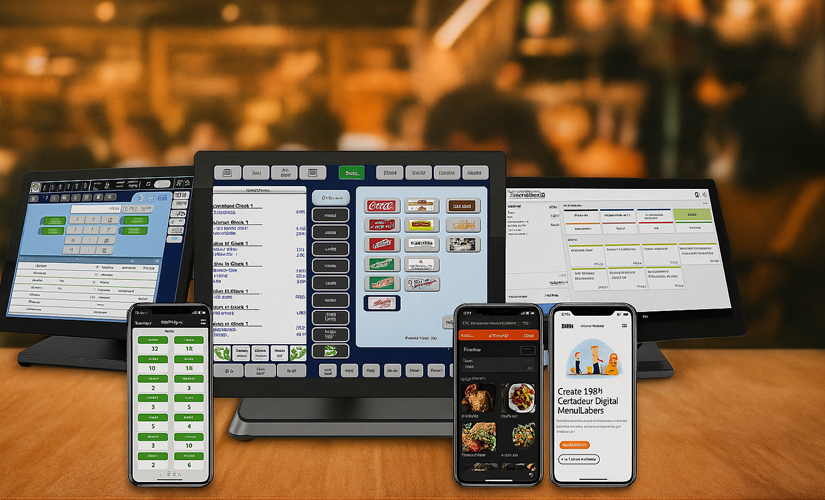
A reliable POS system is at the heart of most restaurant management software. It allows you to efficiently take orders, process payments, and manage sales data. Key features of a POS system include:
- Order management (in-house and online)
- Sales reporting
- Payment processing (credit, debit, contactless)
- Receipt printing and digital receipts
- Integration with kitchen display systems
Make sure the POS system integrates with your inventory and accounting modules for seamless management.
2. Inventory Management
Accurate inventory management helps reduce waste, avoid stockouts, and ensure that your restaurant has the ingredients needed at all times. Look for software that includes:
- Real-time inventory tracking
- Automatic stock updates when orders are placed
- Supplier management and purchase order tracking
- Waste management and spoilage tracking
- Ingredient cost tracking for better profitability
An automated inventory system will save time and reduce the risk of human error.
3. Employee Scheduling
Managing shifts, attendance, and payroll is critical for restaurant operations. Good restaurant management software should offer an employee scheduling feature that allows you to:
- Easily create and adjust schedules
- Track employee availability and preferences
- Monitor labor costs in real-time
- Manage clock-ins and clock-outs
- Generate payroll reports
This feature ensures that you have the right number of staff at peak times and helps keep labor costs under control.
4. Reservation Management
Reservation management features are especially important for fine dining or full-service restaurants. Software should offer:
- Online booking options
- Reservation tracking
- Table management (including waitlist functionality)
- SMS or email notifications for reservations and cancellations
An efficient reservation system helps prevent overbooking, optimize table utilization, and improve guest experience.
5. Customer Relationship Management (CRM)
Building a strong relationship with your customers is key to ensuring repeat business. A CRM system integrated into your restaurant management software allows you to:
- Track customer preferences and dining history
- Offer loyalty programs and rewards
- Send personalized marketing offers or reminders
- Collect customer feedback
By collecting valuable customer data, you can create tailored experiences that increase customer loyalty and satisfaction.
6. Accounting and Reporting
Restaurant management software should integrate accounting features or sync with your accounting system to provide:
- Sales tracking and revenue reporting
- Profit and loss statements
- Daily cash flow reports
- Inventory cost reports
- Labor cost reports
Having financial reports readily available helps you monitor the restaurant’s financial health, manage budgets, and make strategic decisions.
7. Online Ordering and Delivery Management
As delivery and takeout continue to grow in popularity, your software should include robust online ordering and delivery management features. Look for:
- Integration with third-party delivery services (UberEats, DoorDash, etc.)
- Custom online ordering functionality for your website
- Order tracking and delivery management
- Customer payment processing
If you plan to offer online ordering, this feature will streamline the entire process from order to delivery.
8. Mobile Compatibility
Restaurant managers and staff are always on the move. A good restaurant management software solution should offer mobile compatibility so you can:
- Access data and reports on the go
- Manage operations remotely
- Monitor staff performance and sales in real-time
A mobile-friendly system makes it easier to manage the restaurant, especially when you’re away from the office.
How to Choose the Best Restaurant Management Software for Your Business
1. Identify Your Restaurant’s Specific Needs
Before diving into software options, take the time to understand your restaurant’s specific needs. Are you primarily focused on improving customer experience? Or do you need more control over inventory and employee scheduling? Knowing what areas need improvement will help you choose the right software.
2. Set a Realistic Budget
Restaurant management software comes in various price ranges, depending on the features and capabilities. Set a budget and evaluate solutions within that range. Keep in mind that higher-end systems may offer more advanced features but come at a higher cost.
3. Consider Ease of Use and Training
The software you choose should be intuitive for both management and staff. A complex system can lead to frustration and inefficiencies. Ask for a demo or trial to test how user-friendly the software is and ensure it fits your team’s technical skill level.
4. Ensure Software Scalability
As your business grows, so should your software. Choose a system that can scale with your restaurant, whether that means adding more locations, increasing staff, or expanding your menu. A scalable solution ensures that you don’t outgrow the software as your business expands.
5. Look for Integration Capabilities
Your restaurant management software needs to integrate with other tools you use, such as accounting software, inventory systems, POS, or payroll systems. Seamless integration ensures that all aspects of your operations work together efficiently, saving you time and reducing errors.
6. Check for Customer Support and Software Updates
A good software provider should offer reliable customer support, whether it’s through phone, email, or chat. Additionally, look for companies that regularly update their software to improve features and security.
Common Mistakes to Avoid When Choosing Restaurant Management Software
- Overlooking Mobile Features: With mobile compatibility becoming a must-have, neglecting mobile features could cause inefficiencies.
- Choosing a One-Size-Fits-All Solution: Not all software is suitable for every type of restaurant. Make sure the software is tailored to your business model (e.g., fast-casual vs. fine dining).
- Ignoring Employee Feedback: Your staff will be using the software daily, so their input is essential in the decision-making process.
- Underestimating Future Growth: Choose software that can grow with your business. Don’t go for a basic solution if you plan on expanding your operations.
FAQs
1. What is restaurant management software?
Restaurant management software is a digital system designed to streamline and automate various restaurant operations such as ordering, inventory management, staff scheduling, POS, reservations, and customer relationship management.
2. Why is restaurant management software important for my business?
It helps improve efficiency, enhance customer service, manage inventory and staff, and provide valuable insights for decision-making, ultimately boosting profitability and business growth.
3. Can restaurant management software handle online ordering and delivery?
Yes, many restaurant management systems include integrated online ordering and delivery management, allowing you to streamline orders and improve customer experience.
4. How much does restaurant management software cost?
Costs vary based on the software’s features and the size of your business. Basic systems may cost between $50 to $200 per month, while more advanced solutions with custom features may exceed $500 per month.
5. Can restaurant management software scale as my business grows?
Yes, most modern restaurant management software solutions are scalable and can grow with your business, whether you expand to multiple locations or add new features.