
The Ready Made Garments (RMG) industry is the backbone of Bangladesh’s economy contributing billions in exports and employing millions. With increasing global competition tight buyer deadlines quality expectations and strict compliance requirements garment factories can no longer depend on manual merchandising operations. Many customers in the RMG sector now realize that Excel sheets handwritten tracking and email based communication slow down production cause delays increase errors and create miscommunication between teams.
To solve these challenges factories across Bangladesh are shifting to Merchandising Management Software a centralized digital platform that helps merchandisers track orders manage sampling, handle costing, maintain TNA (Time & Action) control production workflow and improve communication with buyers and suppliers.
As a leading software development company in Bangladesh GCTL Infosys understands the unique needs of the RMG industry and provides efficient, customizable, and user friendly merchandising automation solutions. In this comprehensive guide you’ll learn how to choose the best merchandising software for your garments business and what key features truly matter.
What Is Merchandising Management Software?
Merchandising management software is a digital solution that automates and organizes all merchandising activities within a garments factory or buying house. It provides real time visibility into:
- Order tracking
- Sampling stages
- Costing
- TNA planning
- Fabric & trim booking
- Approvals
- Production status
- Buyer communications
- Shipment tracking
This ensures accuracy transparency, and smooth coordination between merchandising, production procurement planning quality and management teams.
Why Garment Factories in Bangladesh Need Merchandising Automation
The manual merchandising process often leads to:
- Miscommunication with buyers
- Lost emails or misplaced documents
- Delayed sampling
- Incorrect costing
- Missed delivery dates
- Inaccurate order tracking
- Poor coordination
- Excess lead time
- Production bottlenecks
Using merchandising software solves all of these problems.
Benefits of Merchandising Automation:
- Centralized data storage
- Faster decision making
- Accurate planning & forecasting
- Improved buyer communication
- Reduced lead time
- Better production coordination
- On time delivery
- Higher profit margins
- Stronger buyer trust
No global buyer wants delays miscommunication or inconsistencies. Automation keeps your factory competitive in the global apparel market.
Key Features Every Merchandising Management Software Should Have
To choose the right software you must understand what essential features your merchandising team needs. Here are the most important ones
1. Order & Style Management
The software must allow you to manage:
- Style details
- Buyer specifications
- Measurement charts
- Colorways & sizes
- Artwork files
- Approval history
A complete database helps avoid confusion during production.
2. TNA Time & Action Calendar
TNA is the heart of merchandising. Your software must support:
- Custom TNA templates
- Milestone tracking
- Deadline alerts
- Delay notifications
- Status updates
A well organized TNA helps prevent shipment delays.
3. Sampling Management
Your system should track:
- Proto samples
- Fit samples
- PP samples
- Size set
- Lab dips
- Comments & approvals
Keeping everything centralized improves buyer communication.
4. Costing & Consumption
Accurate costing ensures profitability. The software must support
- Fabric consumption
- Trim costing
- Wash costing
- Overheads
- CM Cost of Making
- Profit margin calculations
Automated costing reduces errors and speeds up quotation approval.
5. Raw Material Fabric & Trim Booking
Your software should integrate:
- Material booking
- Purchase orders
- Supplier communication
- Inventory updates
- Delivery follow up
This avoids missing materials and production delays.
6. Production & Workflow Tracking
The system must allow tracking of
- Cutting
- Sewing
- Finishing
- Quality
- Packing
- Shipment
Real-time tracking improves planning and efficiency.
7. Buyer Communication Log
Miscommunication causes delays.
Your software should store:
- Emails
- Comments
- Approval notes
- File attachments
- Revision history
Everything should be easy to retrieve at any time.
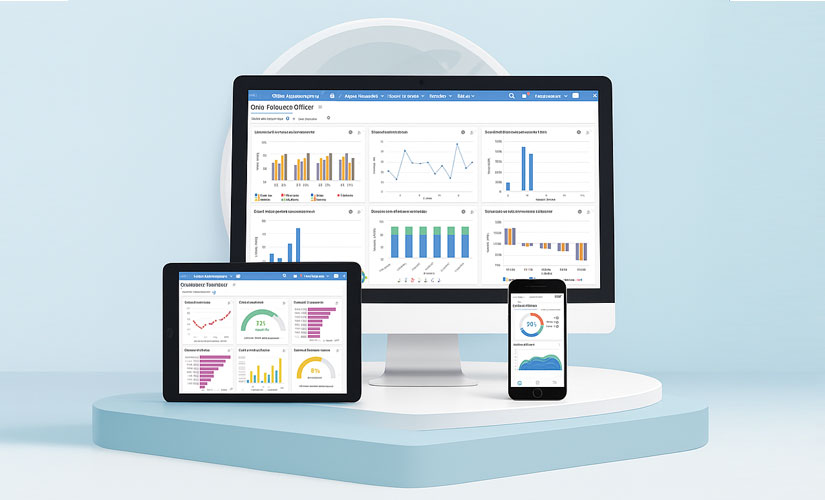
8. Reporting & Dashboard
Management needs instant updates.
Your software must include:
- Order status
- Shipment summary
- Production performance
- Costing reports
- Supplier performance
- TNA summary
Reports help avoid bottlenecks.
9. Multi User Access & Permission Control
Your system should allow:
- Multiple merchandisers
- Team collaboration
- Manager approvals
- Permission based access
- Secure data control
This ensures transparency and accountability.
10. Integration Capabilities
The best software integrates with
- Inventory systems
- Production planning PPC
- Accounts & ERP
- HR & Payroll
- Barcode scanners
- Mobile apps
GCTL Infosys specializes in full system integration for garments factories.
How to Choose the Best Merchandising Management Software in Bangladesh
Let’s explore the critical factors to consider before making a decision.
1. Understand Your Factory’s Needs
Every factory is different. Consider:
- Manufacturing type woven knit lingerie denim
- Employee count
- Buyer workflow
- Level of automation required
- Integration needs
- Reporting requirements
This helps you select the right solution.
2. Choose Bangladesh-Ready RMG Software
Your software should match local garment industry workflows including:
- TNA styles
- Costing methods
- Compliance needs
- Sample processes
- Factory SOPs
Generic business software won’t work for RMG. Choose industry specific solutions.
3. Check for Customization Options
Your factory may have unique workflows.
The ideal software must allow:
- Custom modules
- Custom TNA calendars
- Custom approval flows
- Custom reports
- Additional modules if needed
GCTL Infosys builds fully customized merchandising software.
4. Evaluate Ease of Use
Your team must be able to use the software daily.
Look for
- Clean dashboard
- Intuitive design
- Visual TNA
- Workflow simplicity
- Mobile app support
If the system is too complex your team won’t adopt it.
5. Check Security & Data Protection
Garment factories handle sensitive data such as
- Buyer price
- Order details
- Costing
- Design files
- Supplier information
Your software must offer
- Secure login
- Server encryption
- Role based access
- Regular backups
- Activity logs
Security should be a top priority.
6. Ask for After-Sales Support
A reliable vendor must provide
- Training
- Onboarding
- Technical support
- Regular updates
- Bug fixes
GCTL Infosys is known for its strong support system.
7. Compare Pricing & ROI
When choosing software, don’t focus only on price. Consider
- Feature set
- Lifetime value
- Scalability
- Integration capability
Good merchandising software can save lakhs of taka by reducing delays and mistakes.
Why Choose GCTL Infosys for Merchandising Management Software?
GCTL Infosys is a trusted name among Bangladesh’s RMG and apparel industries.
What sets us apart?
- Industry-specific RMG merchandising modules
- Fully customizable solutions
- TNA automation
- Sample tracking
- Costing & consumption management
- Production workflow tracking
- Buyer & supplier communications
- Cloud or on premise deployment
- Affordable pricing
- Mobile app access
- Strong after-sales support
We help garments factories automate, streamline, and scale faster in the global market.
FAQs
1. What is merchandising management software used for in garments?
It helps manage orders sampling costing TNA production tracking and buyer communication in garment factories.
2. Can merchandising software integrate with ERP or production systems?
Yes. Modern systems, including GCTL Infosys solutions, integrate with ERP inventory PPC and HR systems.