
Powering Modern Factories with Smart ERP Solutions
Running a modern manufacturing business in Bangladesh isn’t easy. Between managing production lines inventory suppliers and quality control many factory owners struggle to maintain efficiency and profitability.
That’s where Manufacturing ERP Software comes in.
An Enterprise Resource Planning ERP system designed for manufacturers helps automate production planning track resources, reduce waste and improve coordination across all departments.
At GCTL Infosys a leading software and web development company in Dhaka Bangladesh we specialize in developing customized Manufacturing ERP Software that simplifies complex workflows and empowers factories to perform smarter faster and better.
In this article you’ll learn how a well-implemented ERP system can streamline production and boost factory efficiency, helping your manufacturing business stay ahead in a competitive market.
What Is Manufacturing ERP Software?
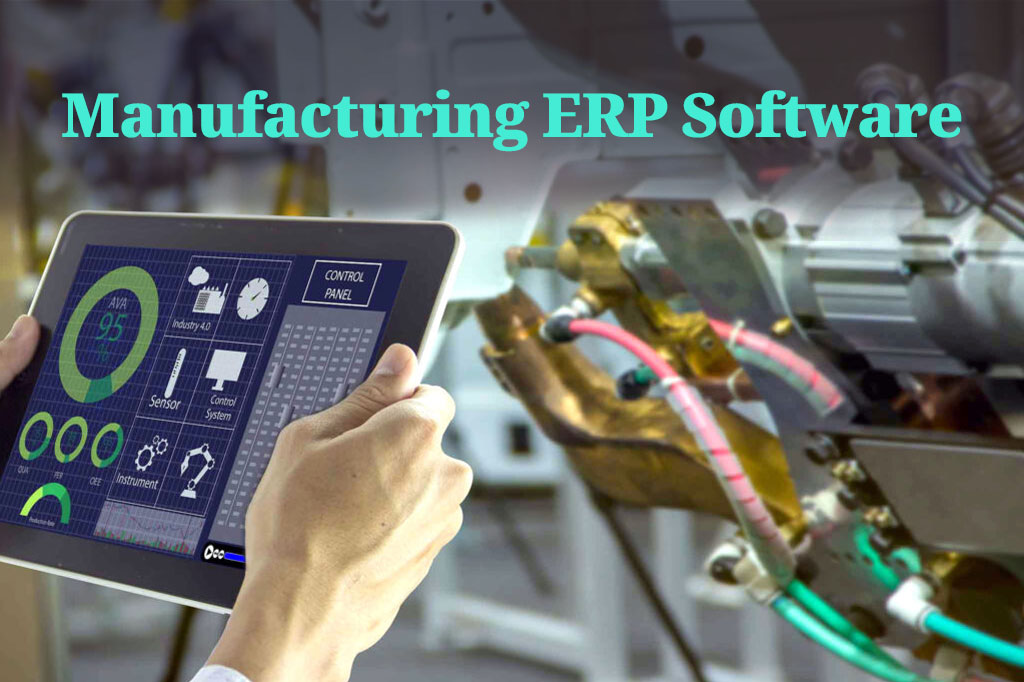
Manufacturing ERP Software is an integrated management system that unites all manufacturing-related functions from inventory and production to sales, accounting, and supply chain under one centralized digital platform.
Instead of running multiple disconnected systems or spreadsheets ERP software gives you a single source of truth where every department operates in real time.
Core Modules of Manufacturing ERP
- Production Planning & Control Schedule jobs manage shifts and monitor progress.
- Inventory Management Track raw materials semi finished goods and finished products.
- Procurement & Supplier Management Automate purchase orders and supplier coordination.
- Quality Assurance Monitor inspection results and product defects in real time.
- Finance & Accounting Manage cost control invoicing and financial reporting.
- Human Resource Management Handle employee attendance shifts and payroll.
- Maintenance Management Schedule preventive maintenance and reduce machine downtime.
The Real Challenges of Manufacturing Without ERP
Most factories in Bangladesh still rely on manual systems or outdated software to handle operations. This creates inefficiency and financial waste.
Common problems include
- Data silos between departments production, inventory, accounts.
- Human errors in stock management or purchase orders.
- Unplanned downtime due to poor maintenance scheduling.
- Wasted raw materials and delayed production cycles.
- Poor visibility into real time performance metrics.
- Inconsistent quality and customer dissatisfaction.
An ERP system is designed to solve all these problems by integrating data automating workflows and improving communication across every team.
How Manufacturing ERP Software Streamlines Production
Let’s look at how ERP technology transforms your manufacturing operations into a well coordinated digital ecosystem.
1. Centralized Operations and Real Time Data
With ERP, every department from production to finance connects to the same database. Managers get real-time insights into
- Inventory stock levels
- Machine performance
- Work order status
- Raw material usage
- Employee productivity
This eliminates duplicate data entry and ensures everyone works from accurate up to-date information.
For example, when the production team updates a job status, the purchasing department automatically knows what materials are needed next.
Result: fewer delays less confusion and better decision making.
2. Smarter Production Planning and Scheduling
Manual scheduling often leads to missed deadlines and resource wastage.
ERP software automates production scheduling by analyzing
- Machine capacity Labor availability
- Raw material stock
- Delivery commitments
This helps factory managers allocate the right resources to the right tasks improving on time delivery and reducing idle time.
Example:
If Machine A is overloaded the ERP automatically adjusts the schedule to Machine B based on available capacity.
3. Real Time Inventory and Material Control
Overstocking leads to wasted capital, while stock-outs can halt production entirely.
An ERP system helps manufacturers maintain optimal inventory levels by tracking every raw material and finished product in real time.
- Auto-generated purchase orders when stock runs low.
- FIFO First In First Out tracking to prevent expiry or wastage.
- Barcode or RFID integration for accuracy.
Result: Continuous production flow and zero material shortages.
4. Enhanced Quality Control
Product quality is crucial for any factory.
Manufacturing ERP integrates Quality Checkpoints at each stage of production from raw material inspection to finished goods testing.
It automatically flags any non-conforming batches, generates corrective action reports, and tracks historical data for compliance.
Outcome: Fewer product returns, improved brand reputation, and higher customer satisfaction.
5. Maintenance and Equipment Monitoring
Unplanned machine breakdowns can cause costly production delays.
With ERP’s maintenance management module you can
- Schedule regular preventive maintenance.
- Monitor machine performance and downtime.
- Set alerts for anomalies or equipment wear.
By adopting predictive maintenance factories reduce downtime by up to 30% and increase machine lifespan.
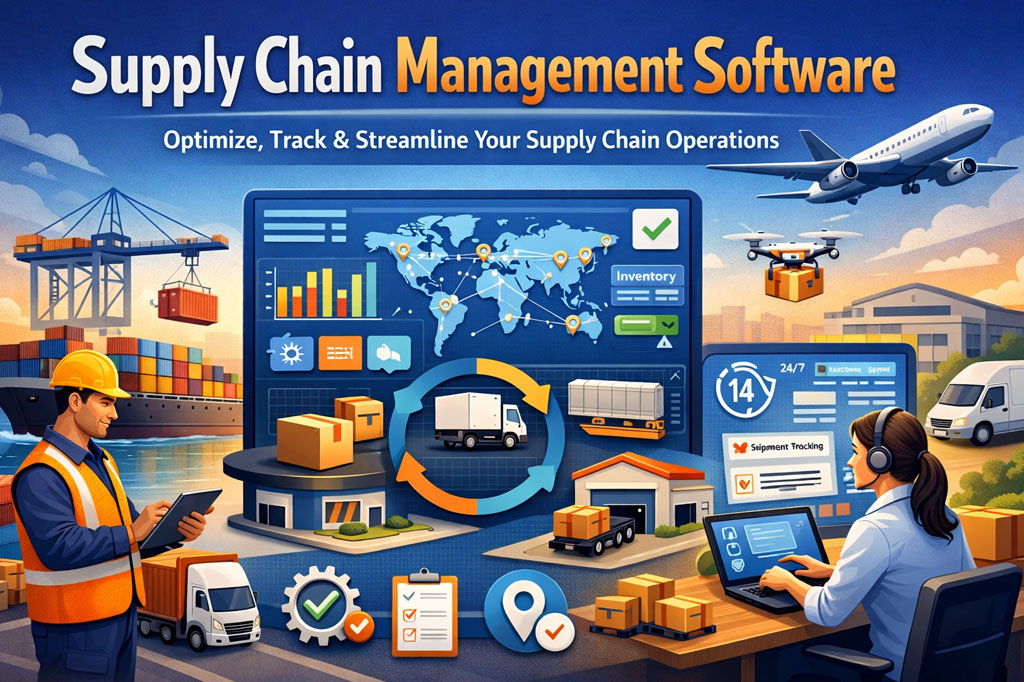
6. Seamless Supply Chain and Vendor Management
Manufacturing ERP Software helps manage supplier relationships efficiently.
It automates purchase requests tracks delivery schedules, and compares supplier performance.
This transparency leads to
- Timely raw material procurement
- Lower purchase costs
- Stronger supplier partnerships
In industries like textiles garments and light engineering this ensures materials are always available without overstocking.
7. Improved Financial and Cost Management
Every transaction from raw material purchase to product sale is automatically recorded in the ERP’s accounting module.
This gives real time visibility into
- Production costs
- Labor expenses
- Material consumption
- Profit margins
Accurate financial data means better budgeting and pricing strategies leading to higher profitability and lower overhead costs.
8. Employee and Workforce Efficiency
Factories often have hundreds of workers spread across multiple shifts. Managing attendance performance and payroll manually is difficult.
ERP automates:
- Shift planning
- Leave requests
- Payroll calculation
- Performance tracking
This ensures better workforce utilization and eliminates payroll errors.
Key Benefits of Manufacturing ERP Software
| Benefit | Description |
| Increased Productivity | Real time coordination reduces delays and idle time. |
| Lower Operational Costs | Optimized inventory and reduced waste cut expenses. |
| Improved Quality | Built in quality control ensures consistent output. |
| Better Decision Making | Instant access to analytics and KPIs for faster action. |
| Scalability | ERP grows with your factory from small units to large scale operations. |
| Regulatory Compliance | Automated documentation helps meet industry standards and audits. |
Why Choose GCTL Infosys for Manufacturing ERP Software
As a trusted technology partner in Bangladesh GCTL Infosys has years of experience delivering custom ERP solutions for manufacturing garments, and industrial sectors.
Here’s why clients choose us:
- Local Expertise Deep understanding of Bangladeshi manufacturing workflows.
- Custom Built ERP Modules Designed to match your factory operations.
- Cloud or On-Premise Deployment Choose flexible options that suit your infrastructure.
- Data Security End-to-end encryption with secure access control.
- Scalable Solutions Perfect for SMEs to large industrial enterprises.
- Dedicated Support Team 24/7 maintenance and user training.
We don’t just provide software we deliver digital transformation that drives measurable business results.
Steps to Implement ERP Without Disrupting Production
To ensure a smooth transition GCTL Infosys follows a step by step approach
- Needs Analysis Study your existing workflows and identify key pain points.
- System Design Customize ERP modules to match your processes.
- Data Migration Securely transfer existing data into the new system.
- Staff Training Empower your employees with hands-on training sessions.
- Pilot Testing Run ERP on selected departments to test stability.
- Full Deployment Implement across all production units.
- Post Go-Live Support Continuous monitoring and performance optimization.
This ensures your factory runs smoothly without interruptions or downtime.
The Future of Manufacturing ERP in Bangladesh
As industries move toward Industry 4.0 integrating automation IoT and AI ERP systems are evolving too.
Future ready Manufacturing ERP will include
- IoT Sensors for live equipment data.
- AI based Demand Forecasting.
- Mobile Dashboards for on the go decision making.
- Cloud based Collaboration Tools.
By adopting GCTL Infosys Manufacturing ERP your factory stays ahead of the curve ready for the digital industrial revolution.
Conclusion Smart Manufacturing Starts with Smart Software
In today’s competitive world efficiency isn’t an option it’s a necessity.
A well designed Manufacturing ERP Software empowers factories to:
Automate processes
Reduce waste
Improve productivity
Deliver quality on time
With GCTL Infosys you get a trusted technology partner who understands Bangladesh’s manufacturing landscape and delivers ERP systems that drive real results.
FAQs About Manufacturing ERP Software
1. What is Manufacturing ERP Software?
Manufacturing ERP Software is an integrated digital system that manages all production inventory and financial operations in a factory.
2. Can small factories use ERP software?
Yes! GCTL Infosys offers scalable ERP solutions that suit both small and large factories in Bangladesh.
3. How does ERP improve production efficiency?
By automating scheduling inventory control and maintenance tracking ERP reduces downtime and increases output.
4. Does GCTL Infosys offer training and support?
Absolutely We provide full training 24/7 support and system updates for seamless operation.
5. Can ERP integrate with existing accounting or POS software?
Yes our ERP integrates easily with your accounting payroll and POS systems for complete business synchronization.