
In today’s competitive business environment, companies in Bangladesh are rapidly adopting digital solutions to stay ahead. One of the most powerful tools driving this transformation is ERP software in Bangladesh. From small businesses to large enterprises, organizations are now relying on ERP systems to manage operations, automate workflows, and improve decision-making.
Businesses are also working with technology partners like GCTL Infosys to implement advanced ERP software solutions, business automation systems, and integrated management platforms tailored to their operational needs.
This article explores how ERP software in Bangladesh is transforming modern businesses, its benefits, features, and why it has become a necessity in today’s digital economy.
What is ERP Software?
ERP (Enterprise Resource Planning) software is a centralized system that integrates all core business processes into a single platform. It helps manage departments such as:
- Finance and accounting
- Human resources
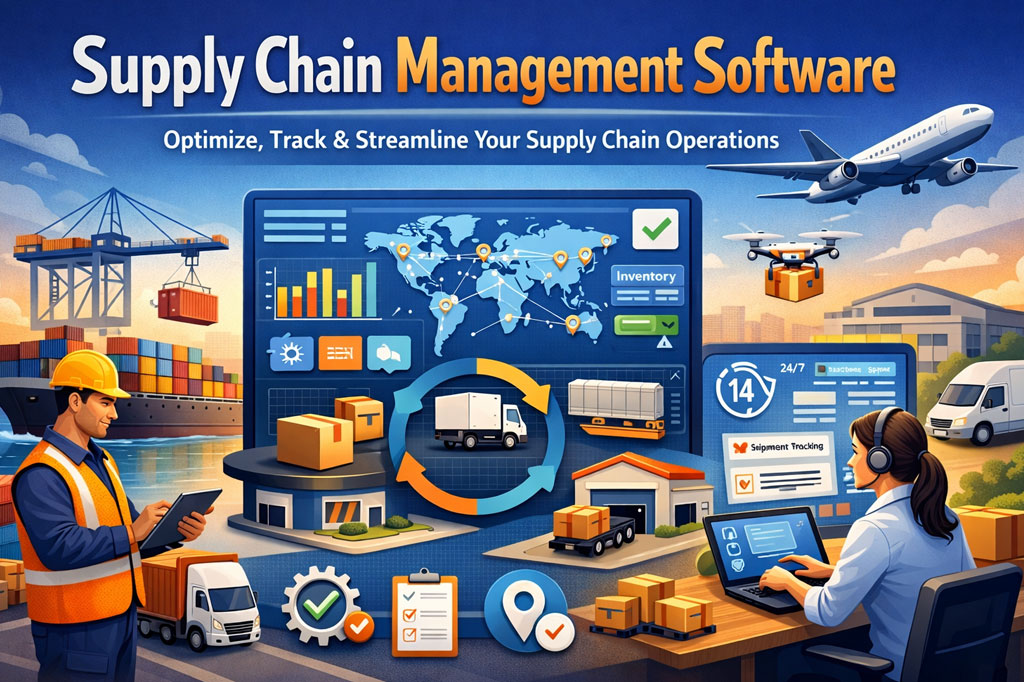
- Inventory and supply chain
- Sales and customer management
- Production and operations
In simple terms, an ERP system in Bangladesh allows businesses to connect all departments in one unified system, improving efficiency and transparency.
Why ERP Software is Becoming Popular in Bangladesh
The demand for ERP software in Bangladesh for business management is increasing due to rapid digital transformation. Businesses are facing challenges like manual errors, disconnected systems, and inefficient workflows.
ERP systems solve these issues by:
- Automating business processes
- Reducing operational costs
- Improving data accuracy
- Enhancing productivity
- Supporting real-time decision-making
As industries grow, the need for smart enterprise software solutions in Bangladesh continues to rise.
How ERP Software is Transforming Modern Businesses in Bangladesh
ERP systems are reshaping how companies operate. Let’s explore the key transformations happening across industries.
1. Automation of Business Processes
One of the biggest impacts of ERP software in Bangladesh business operations is automation.
Tasks that were previously done manually—such as invoicing, payroll, and inventory tracking—are now automated.
This leads to:
- Faster processing
- Reduced human errors
- Improved efficiency
Automation allows employees to focus on strategic tasks instead of repetitive work.
2. Centralized Data Management
Before ERP systems, businesses stored data in multiple systems, spreadsheets, or paper records. This often caused confusion and inconsistency.
Now, with ERP solutions in Bangladesh, all data is stored in a centralized system.
Benefits include:
- Easy access to real-time data
- Improved data accuracy
- Better collaboration between departments
This centralized approach improves transparency across the organization.
3. Real-Time Decision Making
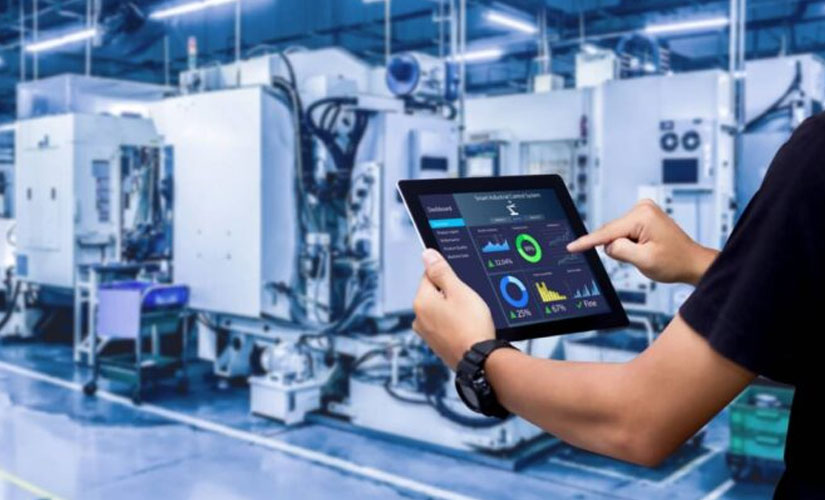
Modern businesses need quick and accurate decisions. ERP systems provide real-time dashboards and reports that help managers analyze performance instantly.
With business ERP software in Bangladesh, companies can:
- Track sales performance
- Monitor expenses
- Analyze production efficiency
- Forecast future trends
This helps businesses make smarter, data-driven decisions.
4. Improved Financial Management
Financial control is one of the strongest advantages of ERP systems.
An ERP accounting module helps businesses manage:
- Budgeting
- Expense tracking
- Payroll
- Tax management
- Financial reporting
This reduces financial risks and ensures better control over company resources.
5. Better Inventory and Supply Chain Control
For manufacturing and trading businesses, inventory management is crucial.
ERP systems help track:
- Stock levels
- Supplier orders
- Warehouse management
- Product movement
With ERP inventory management software in Bangladesh, businesses avoid overstocking and shortages, improving supply chain efficiency.
6. Enhanced Customer Relationship Management
Modern ERP systems often include CRM features that help manage customer interactions.
Businesses can:
- Track customer history
- Manage sales pipelines
- Improve customer service
- Increase customer satisfaction
This leads to stronger relationships and better customer retention.
7. Increased Productivity and Efficiency
By integrating all departments into one system, ERP software eliminates communication gaps.
Employees can:
- Share information easily
- Access unified data
- Reduce duplicate work
This significantly improves overall productivity.
8. Scalability for Growing Businesses
As companies grow, their operational needs become more complex.
A good ERP software solution in Bangladesh is scalable and can grow with the business.
It supports:
- More users
- Additional modules
- Higher transaction volume
This makes ERP a long-term investment for businesses.
Key Features of ERP Software
A modern enterprise resource planning system includes:
- Financial management tools
- Human resource management (HRM)
- Inventory tracking system
- Sales and CRM modules
- Production planning tools
- Reporting and analytics dashboard
These features work together to create a fully integrated business system.
Industries Benefiting from ERP Software in Bangladesh
ERP systems are used across various industries:
1. Manufacturing
Helps manage production, inventory, and supply chain.
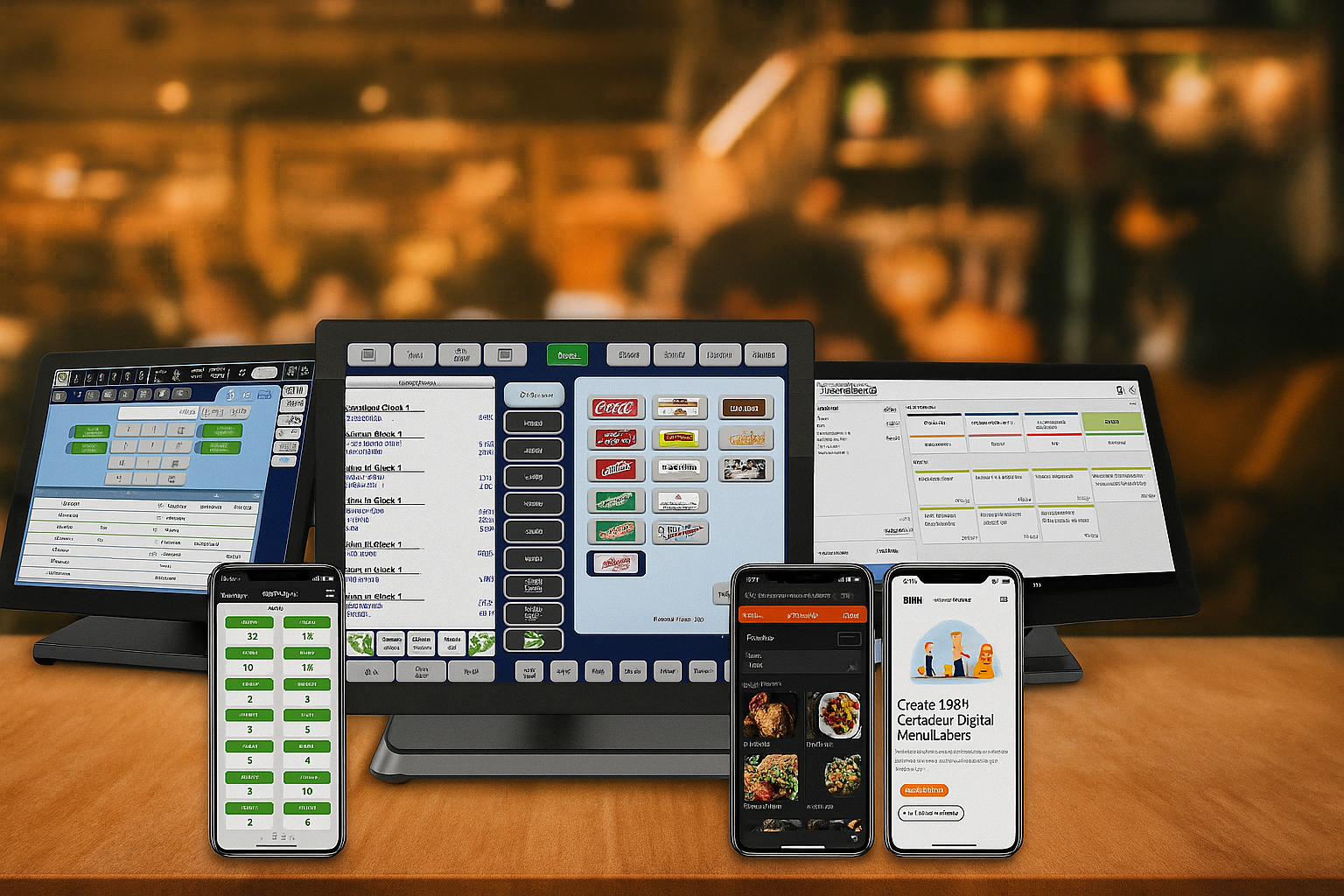
2. Retail and E-commerce
Improves sales tracking and customer management.
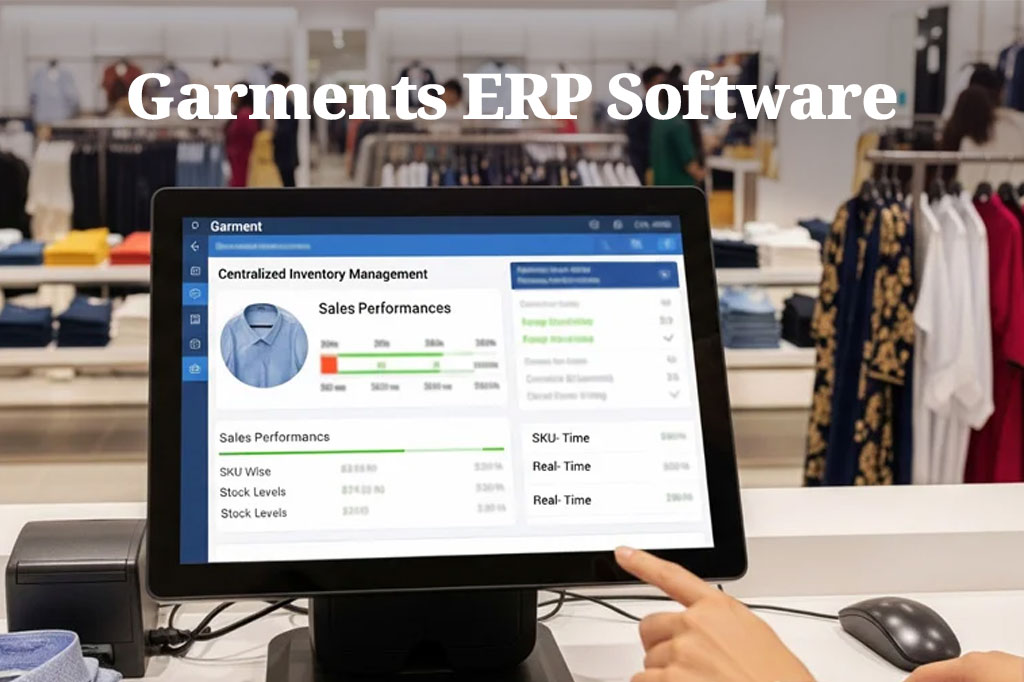
3. Textile and Garments
Enhances production planning and order management.
4. Healthcare
Manages patient records and hospital operations.
5. Education
Helps manage admissions, attendance, and administration.
Challenges of ERP Implementation
While ERP systems offer many benefits, businesses may face challenges such as:
- High initial setup cost
- Employee training requirements
- System customization complexity
- Data migration issues
However, with the right implementation partner like GCTL Infosys, these challenges can be effectively managed.
Future of ERP Software in Bangladesh
The future of ERP software in Bangladesh is moving toward advanced technologies such as:
- Artificial Intelligence (AI) integration
- Cloud-based ERP systems
- Mobile ERP applications
- IoT-enabled business tracking
These innovations will make ERP systems more intelligent, flexible, and efficient.
Final Thoughts
ERP software is no longer just an option—it is a necessity for modern businesses in Bangladesh. It helps companies streamline operations, improve efficiency, and make better decisions.
With support from technology experts like GCTL Infosys, businesses can adopt customized ERP software solutions, business automation systems, and integrated management platforms that drive long-term success.
The transformation brought by ERP systems is reshaping industries and setting a new standard for business efficiency in Bangladesh.
FAQs
1. What is ERP software used for?
ERP software is used to manage and integrate core business processes like finance, HR, inventory, and sales.
2. Why is ERP software important in Bangladesh?
It helps businesses automate operations, reduce costs, and improve efficiency in a competitive market.
3. Is ERP software suitable for small businesses?
Yes, small businesses can use ERP systems to improve organization and scalability.
4. What industries use ERP software in Bangladesh?
Manufacturing, retail, garments, healthcare, and education industries widely use ERP systems.
5. Can ERP software improve productivity?
Yes, it automates workflows and improves communication between departments, increasing productivity.