
In today’s fast-paced manufacturing world efficiency accuracy and real-time decision-making are essential for success. That is why many factories are now adopting production management software to streamline operations and improve productivity. Whether you run a small manufacturing unit or a large industrial plant choosing the right system can significantly impact your overall performance.
Companies like GCTL Infosys are helping businesses transform traditional factory operations into smart automated systems through advanced digital solutions such as manufacturing software ERP systems and production planning tools.
This guide will help you understand what production management software is why it matters and how to choose the right solution for your factory.
What is Production Management Software?
Production management software is a digital solution designed to manage, monitor, and optimize manufacturing processes. It helps factories control production planning, inventory management, resource allocation, and workflow tracking in real time.
A modern factory management system typically includes:
- Production planning and scheduling
- Inventory and stock control
- Machine and labor management
- Quality control tracking
- Real-time reporting dashboards
- Supply chain coordination
In simple terms it acts as the central brain of a manufacturing operation.
Why Production Management Software is Important
Manufacturing industries face several challenges such as delays resource wastage, human error, and poor communication. A reliable production management software solution solves these problems by creating a structured and automated workflow.
Key reasons why it matters:
- Improves operational efficiency
- Reduces production costs
- Minimizes waste and errors
- Enhances communication between departments
- Increases production speed and accuracy
With the rise of Industry 4.0 using a smart manufacturing system is no longer optional it is a necessity.
Key Features to Look for in Production Management Software
Before choosing a solution it is important to understand what features make a production management system effective.
1. Production Planning and Scheduling
A strong system should allow you to plan production schedules based on demand, resources, and deadlines.
2. Inventory Management
Real-time stock tracking ensures you never run out of raw materials or overstock unnecessary items.
3. Workflow Automation
Automation reduces manual work and ensures smooth factory operations.
4. Real-Time Monitoring
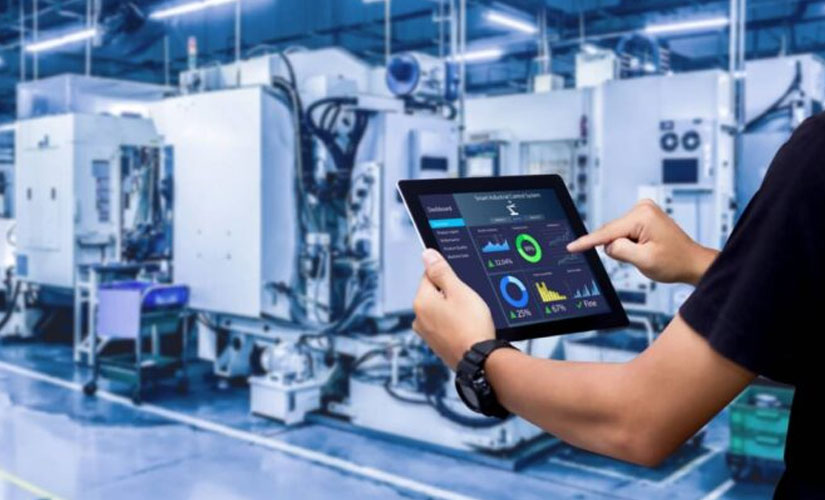
Live dashboards help managers track production progress instantly.
5. Quality Control Management
Ensures products meet quality standards before reaching customers.
6. Reporting and Analytics
Data-driven insights help improve decision-making and performance tracking.
How to Choose the Right Production Management Software
Selecting the right manufacturing software for factories is a critical decision. Here are the most important factors to consider:
1. Understand Your Factory Needs
Every factory is different. Before selecting software, identify:
- Type of manufacturing process
- Production volume
- Number of employees
- Complexity of operations
A small factory may need a simple system, while large industries may require a full ERP-based production management system.
2. Check Scalability
Your business will grow over time. The software should be able to scale with your operations.
A scalable production management software solution should:
- Support more users
- Handle increased production data
- Integrate with new systems
3. Ease of Use
A complex system can slow down operations instead of improving them. Choose software with:
- Simple user interface
- Easy navigation
- Minimal training requirements
The easier it is to use the faster your team can adopt it.
4. Integration with Other Systems
Modern factories use multiple tools like accounting software, CRM systems, and supply chain tools.
Your factory management software should integrate with:
- ERP systems
- Accounting tools
- Inventory systems
- Supplier management platforms
5. Real-Time Data and Reporting
Decision-making depends on accurate data. Choose a system that provides:
- Real-time production updates
- Custom reports
- Performance analytics
This helps managers quickly identify issues and improve efficiency.
6. Automation Capabilities
Automation is a key part of modern manufacturing. The right production planning software should automate:
- Task assignment
- Inventory updates
- Production alerts
- Machine scheduling
7. Security and Data Protection
Manufacturing data is sensitive. Your software must include:
- Data encryption
- User access control
- Backup systems
This ensures business continuity and data safety.
8. Cost vs Value
Instead of focusing only on price, evaluate long-term value.
Ask yourself:
- Will it reduce production costs?
- Will it improve efficiency?
- Will it reduce waste and downtime?
A good production management system pays for itself over time.
Benefits of Using Production Management Software
Implementing a smart manufacturing execution system (MES) brings many benefits:
1. Improved Productivity
Automated workflows reduce delays and increase output.
2. Better Resource Utilization
Machines materials and manpower are used efficiently.
3. Reduced Operational Costs
Less waste and fewer errors mean lower costs.
4. Enhanced Quality Control
Products are consistently monitored for quality assurance.
5. Faster Decision-Making
Real-time insights help managers respond quickly.
6. Improved Customer Satisfaction
Faster delivery and better quality increase customer trust.
Common Mistakes to Avoid When Choosing Software
Many factories make mistakes when selecting production management software for manufacturing:
- Choosing based only on price
- Ignoring scalability
- Not considering user training
- Overlooking integration needs
- Selecting overly complex systems
Avoiding these mistakes ensures long-term success.
Future of Production Management Systems
The future of manufacturing is digital. Modern smart factory software systems are evolving with technologies like:
- Artificial Intelligence (AI)
- Internet of Things (IoT)
- Machine learning analytics
- Cloud-based manufacturing systems
These technologies will make production faster, smarter, and more automated than ever before.
Final Thoughts
Choosing the right production management software is a critical step toward building a modern efficient and competitive factory. It helps streamline operations reduce costs, and improve overall productivity.
With the support of technology partners like GCTL Infosys, businesses can implement customized manufacturing software solutions, ERP systems, and production planning tools that fit their exact needs.
A well-chosen system is not just software it is the foundation of a smarter and more profitable manufacturing future.
FAQs
1. What is production management software used for?
It is used to manage and optimize manufacturing processes such as production planning inventory control and workflow tracking.
2. Is production management software suitable for small factories?
Yes, small factories can greatly benefit by improving efficiency and reducing manual work.
3. What is the difference between ERP and production management software?
ERP is a broader system covering all business functions, while production management focuses mainly on manufacturing operations.
4. Can production management software reduce costs?
Yes, it reduces waste, improves resource usage, and minimizes production errors.
5. Does production management software support automation?
Modern systems include automation for scheduling, inventory updates, and workflow management.