
As the world moves towards digital learning and online education, educational institutions must adapt to keep up with the changing landscape. Whether you are a school, university, e-learning platform, or tutoring service, having an engaging, functional, and user-friendly website is essential for success. But building a top-notch educational website requires expertise and knowledge choosing the right educational website development company is critical to ensuring your website meets your goals and provides a seamless experience for students, teachers, and administrators.
The right educational website development company will not only bring your vision to life but also provide guidance on features, design, functionality, and user experience. With so many companies claiming to offer educational website services, it can be overwhelming to figure out which one is the right fit. This guide will help you make an informed decision, taking into account what to look for, key features, common mistakes to avoid, and how to choose a company that understands your unique needs.
Why Choosing the Right Educational Website Development Company Matters
In today’s competitive educational environment, your website is often the first point of contact for potential students, teachers, and parents. A well-designed website helps build credibility, improves engagement, and facilitates a better user experience. Poor design or functionality can lead to missed opportunities, increased bounce rates, and frustrated users.
Here’s why choosing the right educational website development company is so important:
- User Experience (UX): A smooth and intuitive user experience is critical in retaining visitors and keeping them engaged with your content.
- Mobile Responsiveness: With the increasing use of mobile devices for learning, your educational website must be fully responsive on smartphones, tablets, and desktops.
- Scalability: As your institution grows, your website should be able to handle increased traffic, more content, and new features without losing performance.
- Security: Educational websites handle sensitive data, from student information to payment details, and must have the highest levels of security and privacy.
- Search Engine Optimization (SEO): A well-optimized website ranks higher in search results, making it easier for prospective students to find your institution.
The right website development company understands the balance between functionality, design, and scalability. They also keep your goals and audience in mind, offering a tailored approach that ensures your website stands out in a crowded educational market.
Key Features to Look for in an Educational Website Development Company
When searching for the right educational website development company, it’s important to ensure they offer the features and services that align with your institution’s specific needs. Below are key features to look for when making your selection:
1. Experience with Educational Platforms
While many website development companies claim to have expertise in various sectors, educational website development requires specific knowledge. The right company will have experience in building learning management systems (LMS), student portals, and other educational tools.
Key things to check:
- Portfolio of similar educational websites
- Understanding of educational models (e.g., K-12, higher education, e-learning)
- Experience in developing platforms for course management, student engagement, and communication
2. Customized Website Design
An educational website should reflect the values, ethos, and culture of your institution. It should have a unique design that appeals to your target audience, whether that’s students, parents, or teachers.
Look for:
- A focus on user-friendly design
- Customizable templates that match your branding
- Interactive features like forums, blogs, and video content
- Clean, modern, and professional aesthetics
Your website should be visually appealing and easy to navigate for a seamless user experience.
3. Mobile-Friendly and Responsive Design
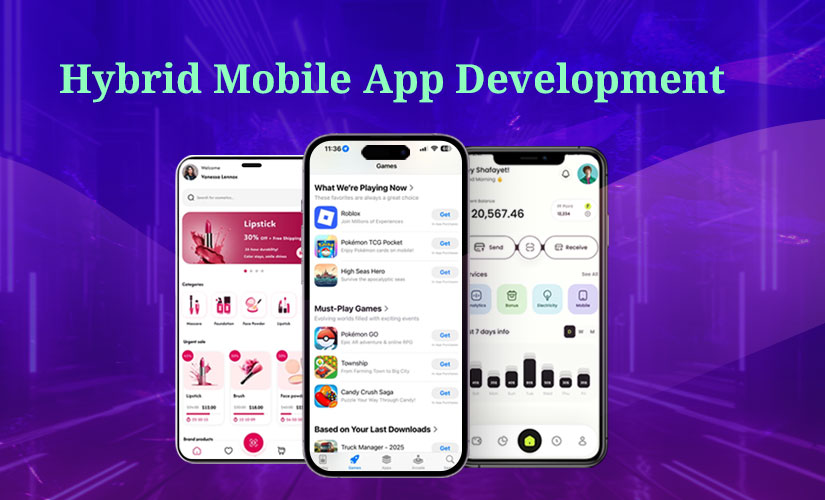
With the increasing use of mobile devices, especially in education, your website needs to be fully responsive. A mobile-friendly website ensures that students can access your content, courses, and services from anywhere, whether they’re on a smartphone, tablet, or desktop.
- Check if the company designs for mobile-first: Mobile responsiveness is essential for student engagement, and it’s crucial that the company you choose creates responsive websites from the outset.
- Ensure cross-device compatibility: The website should look great and function well on all devices.
4. Strong Integration Capabilities
The right educational website development company will provide seamless integration with third-party tools, such as:
- Learning Management Systems (LMS)
- Payment gateways
- Virtual classrooms
- Student information systems (SIS)
- Social media platforms
- Email marketing tools
The ability to integrate with other systems and tools helps streamline processes, improve data management, and enhance the overall functionality of the website.
5. Content Management System (CMS)
A flexible and easy-to-use content management system (CMS) is a must-have for educational websites. A CMS allows you to update content, add courses, manage students, and modify other essential elements without needing advanced technical skills.
Look for:
- User-friendly CMS platforms (WordPress, Joomla, Drupal)
- Ability to manage multiple user types (e.g., students, teachers, administrators)
- Flexible course creation and management
- Media management (videos, images, documents)
The CMS should empower your team to manage content quickly and effectively, saving you time and effort.
6. E-Commerce Capabilities (if needed)
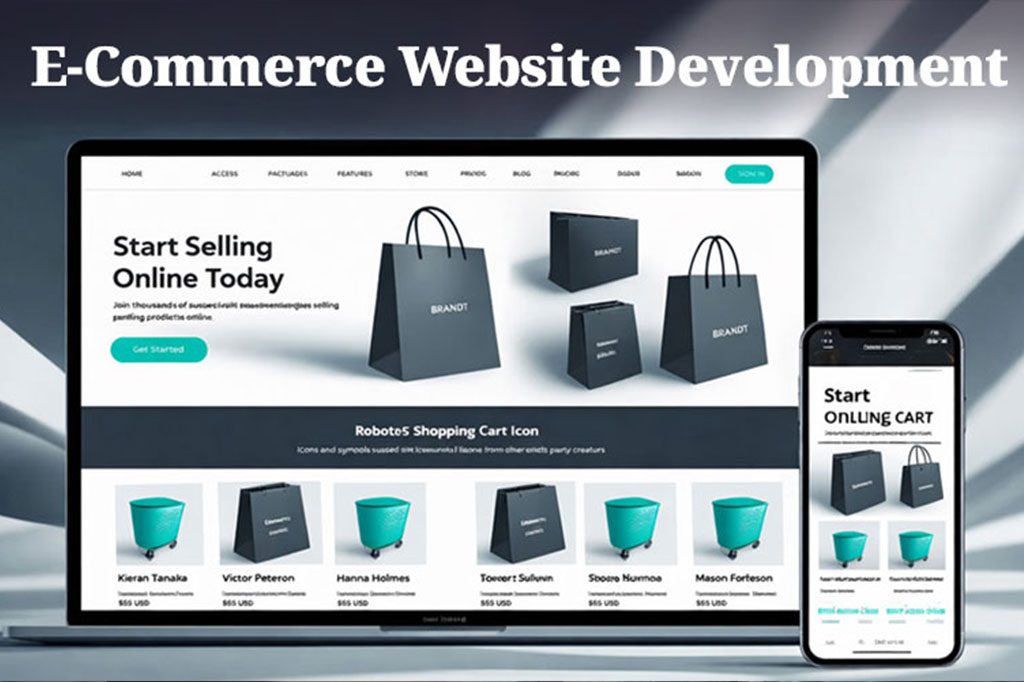
If your institution offers online courses, merchandise, or paid services, you will need e-commerce functionality. The eCommerce features should integrate with your website seamlessly and allow for secure transactions.
- Payment gateways (PayPal, Stripe, etc.)
- Course or membership subscriptions
- Shopping cart functionality
- Discount or coupon code systems
Make sure the development company has experience with secure, reliable e-commerce solutions for educational businesses.
7. SEO and Analytics Integration
For your educational website to reach its target audience, it needs to be visible in search engine results. SEO (Search Engine Optimization) is essential for ranking higher on Google and driving traffic to your site.
Ensure that the company offers:
- On-page SEO for all pages (titles, descriptions, keywords)
- Mobile SEO to enhance mobile performance
- Integration with Google Analytics for tracking visitor behavior and website performance
- Tools to measure key metrics like conversion rates, page views, bounce rates, etc.
These tools help you make data-driven decisions to improve user experience and website performance.
How to Choose the Right Educational Website Development Company
1. Assess Your Needs and Budget
Start by clearly defining your website’s purpose. What features are most important? Is your focus on eLearning, student engagement, or faculty resources? Once you have your goals set, consider your budget. Don’t choose based on price alone; instead, focus on value, quality, and the long-term partnership you’re building with the company.
2. Research Potential Companies
Look for companies with a strong track record of building educational websites. You can assess this by:
- Reviewing their portfolio of previous projects
- Checking client testimonials and reviews
- Asking for case studies or success stories
- Looking at their technical expertise in areas like UX/UI design, CMS, and integration
A reputable company will showcase relevant projects that align with your needs.
3. Evaluate Their Technical Expertise
Make sure the company you choose is up-to-date with the latest trends and technologies in educational website development. They should be proficient in:
- Modern web design standards
- Mobile-first development
- Security protocols (SSL certificates, data encryption)
- Responsive design frameworks
Ask them about the platforms and tools they use and whether they support future scalability and maintenance.
4. Look for a Collaborative Approach
Effective communication and collaboration are essential for the successful development of your website. Ensure the company listens to your needs, understands your business model, and offers valuable suggestions throughout the process. A development company that values collaboration will work with you to bring your vision to life, ensuring the website meets all your objectives.
5. Support and Maintenance
After launching your educational website, you’ll need ongoing support and maintenance. Make sure the company offers post-launch services such as:
- Website maintenance
- Regular software updates
- Bug fixes and troubleshooting
- User support
A strong support system ensures that your website remains functional, secure, and up-to-date over time.
Common Mistakes to Avoid When Choosing an Educational Website Development Company
- Overlooking Long-Term Support: Make sure the company offers post-launch support and doesn’t just deliver the site and walk away.
- Focusing Only on Price: While cost is important, prioritize value and experience over a low initial price.
- Neglecting Mobile Compatibility: Mobile users are crucial, so don’t overlook mobile optimization in the design process.
- Skipping the User Experience: Don’t just focus on functionality; ensure the site is user-friendly and intuitive for both students and educators.
- Lack of Communication: Poor communication can lead to misunderstandings. Choose a company that is responsive and listens to your needs.
FAQs
1. What is educational website development?
Educational website development involves designing and building websites that support learning management, course creation, student engagement, and other educational functions for schools, universities, or online learning platforms.
2. How much does educational website development cost?
The cost of developing an educational website varies depending on the complexity of the site, the features required, and the development company. It can range from a few thousand dollars for basic websites to tens of thousands for custom solutions.
3. How long does it take to develop an educational website?
Development time depends on the project’s complexity. On average, it takes 2-6 months for a custom educational website to be fully developed, including design, testing, and deployment.
4. What features should I look for in an educational website?
Essential features include a user-friendly interface, a robust content management system, mobile responsiveness, secure payment gateways, online course management, student enrollment systems, and SEO integration.
5. Can I update my educational website after it’s launched?
Yes, most educational website development companies offer training on how to manage and update content through a user-friendly CMS. Additionally, many provide ongoing maintenance services to handle updates, security, and scalability.