
Technology That Serves Your Restaurant Not Slows It Down
Running a restaurant is like conducting an orchestra timing, coordination, and flow are everything. But when it’s time to upgrade to Restaurant Management Software, many owners worry about one thing:
Will this new system disrupt my daily operations?
At GCTL Infosys, a leading software and web development company based in Dhaka, Bangladesh, we understand that every minute counts in a restaurant. That’s why we design and implement smart, user friendly restaurant management systems that help streamline operations without interrupting your service, staff, or sales.
This guide walks you through the right way to implement restaurant management software smoothly, ensuring your business transitions seamlessly from manual to digital with zero downtime and maximum results.
What Is Restaurant Management Software and Why It Matters
Restaurant Management Software (RMS) is a centralized digital system that helps restaurants manage key operations including POS (Point of Sale), order tracking, inventory, kitchen coordination, billing, and staff management all in one place.
Whether you run a fine-dining restaurant, café, or fast-food chain, RMS brings every process together to create a faster, more accurate, and data-driven workflow.
Key Benefits:
- Automates order processing and billing
- Tracks stock and reduces waste
- Integrates kitchen, counter, and delivery channels
- Simplifies staff scheduling and payroll
- Provides real-time performance analytics
However, to get the full benefit of this transformation, your software must be implemented correctly without affecting daily operations.
Challenges Restaurants Face During Software Implementation
Before diving into the solution, let’s identify common challenges restaurant owners face during RMS implementation:
- Employee resistance to new technology
- Operational delays due to system setup or migration
- Data migration issues from old systems
- Insufficient staff training leading to confusion
- Hardware compatibility problems
- Lack of technical support during the transition
The good news? With a structured approach and the right software partner like GCTL Infosys these challenges can be completely avoided.
Step by-Step Guide to Implementing Restaurant Management Software Successfully
1: Define Clear Goals and Requirements
Before implementing any software, you must identify what you want to achieve.
Ask questions like
- What are our biggest operational pain points?
- Do we need to integrate POS with our kitchen and delivery apps?
- How many outlets or terminals will need the system?
Defining your restaurant’s unique goals helps your software provider design a system that fits your needs not a generic, one size fits-all solution.
Example
If your problem is delayed order delivery, your software should prioritize Kitchen Order Ticket (KOT) automation.
If your focus is sales tracking, you’ll need advanced POS analytics.
2: Choose the Right Software Partner
The success of your implementation depends heavily on your vendor.
Partner with a trusted provider like GCTL Infosys, which specializes in restaurant management solutions for Bangladeshi businesses.
Look for these traits in your software vendor:
- Local technical support & after-sales service
- Industry-specific experience
- Customization flexibility
- Proven installation success stories
- Cloud and offline support
Choosing the right partner ensures a smooth transition, minimal risk, and maximum uptime.
3: Prepare Your Infrastructure
Before going live, make sure your restaurant is ready for the new system.
That includes:
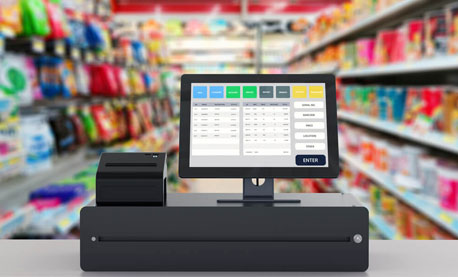
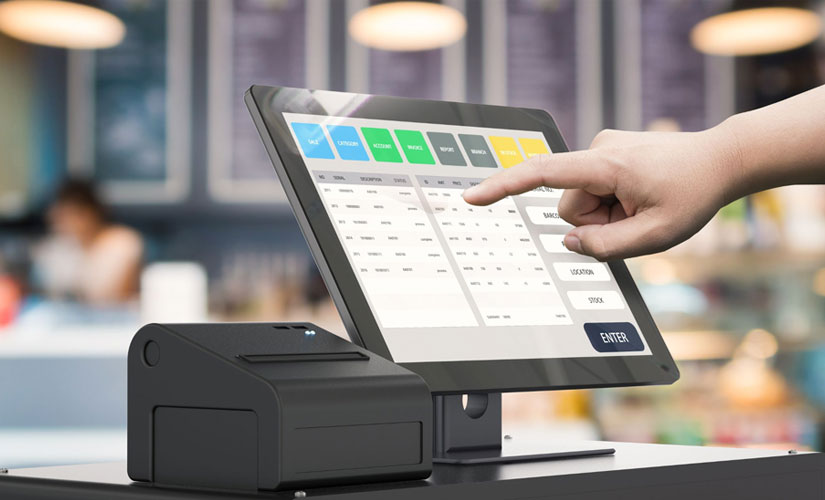
- Checking POS terminals, printers, and network connectivity
- Installing barcode scanners or tablets for waitstaff
- Setting up backup power (UPS) for uninterrupted service
- Configuring Wi-Fi for kitchen and billing areas
GCTL Infosys provides full on site setup support, ensuring all hardware and software components are perfectly integrated before launch.
4: Migrate Data Carefully
Transferring your existing data (menu, inventory, supplier lists, etc.) into the new system is critical.
This step must be handled carefully to avoid data loss or duplication.
With GCTL Infosys RMS, data migration is done systematically with:
- Menu item mapping
- Inventory and supplier integration
- Sales and customer history import
- Secure data backup
This ensures your restaurant continues running smoothly with no missing information.
5: Train Your Staff
Even the best software can fail if users don’t understand it.
That’s why staff training is a vital part of successful implementation.
We recommend dividing your staff into user groups:
- Frontline Staff: Cashiers, waiters, and delivery handlers — trained in POS and order entry.
- Kitchen Staff: Learn about digital KOT, inventory notifications, and order management.
- Managers/Admins: Reporting, analytics, and employee management modules.
At GCTL Infosys, we provide on-site and online training sessions with user-friendly manuals so everyone feels confident before going live.
6: Run a Soft Launch (Pilot Phase)
Before full-scale deployment, run a test phase for a few days or a week.
This allows you to identify potential issues without affecting your main operations.
Use this period to test:
- Billing speed and accuracy
- Order-to-kitchen synchronization
- Staff adaptability
- Report generation accuracy
Based on results, make small adjustments before the official rollout.
7: Go Live Without Downtime
Once everything is tested and ready, it’s time to switch to the live system.
To avoid disruption:
- Schedule the go-live during off-peak hours (e.g., early morning).
- Keep manual billing ready as a temporary backup.
- Have your GCTL Infosys support team available on standby.
With careful planning and expert monitoring, your restaurant can go live without closing for even a single hour.
8: Monitor, Support, and Optimize
Implementation doesn’t end with installation it evolves with usage.
Track performance, identify bottlenecks, and optimize features regularly.
With GCTL Infosys Restaurant Management Software, you’ll get:
- 24/7 technical support
- Regular software updates
- Cloud backup for data safety
- Custom report generation
Continuous optimization ensures your system remains efficient, secure, and aligned with your business goals.
How GCTL Infosys Ensures Smooth Software Implementation
At GCTL Infosys, we follow a proven five-phase deployment model to ensure your restaurant’s success:
- Requirement Analysis Understanding your business process
- Customization Tailoring modules for your restaurant type
- Implementation Step-by-step installation and configuration
- Training & Testing Hands-on learning and soft launch
- Support & Maintenance Ongoing system monitoring and updates
Our team of skilled developers and IT professionals ensures a zero-disruption transition for both single-outlet and chain restaurants across Bangladesh.
Key Features of GCTL Infosys Restaurant Management Software
| Feature | Benefit |
| Smart POS System | Fast and accurate billing |
| Kitchen Order Management | Real-time KOT updates |
| Inventory Control | Track usage and reduce waste |
| Online Ordering Integration | Manage dine-in, takeaway, and delivery |
| Employee Management | Schedule shifts and payroll |
| Customer Loyalty Programs | Boost repeat business |
| Cloud Dashboard | Monitor business anywhere, anytime |
| Reports & Analytics | Make data-driven decisions |
Benefits of a Seamless Implementation
Zero Business Downtime Continue serving customers while transitioning.
Higher Staff Efficiency Reduced manual errors and faster service.
Improved Customer Experience Quicker billing and accurate orders.
Stronger Management Insights Real-time visibility into performance metrics.
Long-Term ROI Higher productivity, reduced wastage, and better control.
Common Mistakes to Avoid During Implementation
- Rushing the process without testing
- Ignoring staff training
- Not setting clear goals
- Choosing cheap, unreliable software
- Skipping technical support and updates
Avoid these pitfalls, and your restaurant will enjoy a smooth, successful software integration journey.
Conclusion: Serve Smarter, Manage Better, Grow Faster
Implementing Restaurant Management Software isn’t just about technology it’s about transforming your entire business workflow.
With careful planning, structured training, and expert support from GCTL Infosys, you can introduce automation without interrupting a single service.
From billing counters to kitchen displays, every touchpoint becomes smarter, faster, and more efficient creating a seamless dining experience for your customers and a stress-free operation for your staff.
FAQs About Restaurant Management Software Implementation
1. What is Restaurant Management Software used for?
It’s a digital solution that automates billing, order tracking, inventory, and staff management for smoother restaurant operations.
2. How long does it take to implement Restaurant Management Software?
Depending on your restaurant size, implementation usually takes 1–3 weeks with proper training and testing.
3. Will my restaurant operations be affected during implementation?
Not at all! With GCTL Infosys’s step-by-step deployment, your system goes live without downtime or service interruption.
4. Can small restaurants benefit from this software?
Absolutely. GCTL Infosys offers scalable systems suitable for small cafés to large franchises.
5. What kind of support does GCTL Infosys provide?
We offer 24/7 technical support, user training, system updates, and data backup services.